佳士工潮与声援团The Jasic Movement and Its Supporters
本页的分工:只写抗争线:本站的事件档案页已经完整记录了佳士事件的全貌——工厂背景、镇压的决策与执行链条、受害规模的数字口径表和事件影响,本页不再重复铺陈。本页是抗争记录,专写另一条线:一群焊接设备厂的普通工人怎样一步步学会组织起来,要求成立一个属于自己的工会;他们被开除、被拘留之后,一批素不相识的左翼大学生和青年声援者怎样从全国各地赶来,组成佳士工友声援团,与工人并肩讨说法;以及这场抗争在清场、失联、被迫认罪视频和秘密判决之后,留下了什么。凡涉及事件全貌与镇压决策的问题,请参看事件档案:深圳佳士工运(2018);本页出现的共同事实只作简述,笔墨集中在工人的组织过程、声援团的形成与瓦解、以及当事人此后的追踪记录。How this page divides the work: This site's Events file already records the Jasic affair in full — the factory background, the chain of decisions and execution behind the repression, a methodology table for the casualty and detention figures, and the event's impact — and this page does not retell it. This is a Resistance entry, and it follows a different line: how ordinary workers at a welding-equipment plant learned, step by step, to organize and demand a union of their own; how, after they were fired and detained, left-wing university students and young supporters who had never met them travelled from across China to form the Jasic Workers Solidarity Group and stand beside them; and what remained of the movement after the raid, the disappearances, the forced confession videos and the secret verdicts. For the full picture and the decision chain, see the Events file: the Jasic Workers' Movement, Shenzhen (2018). Facts shared with that page are only summarized here; the ink here goes to the workers' organizing, the solidarity group's formation and destruction, and the traced record of the people involved.
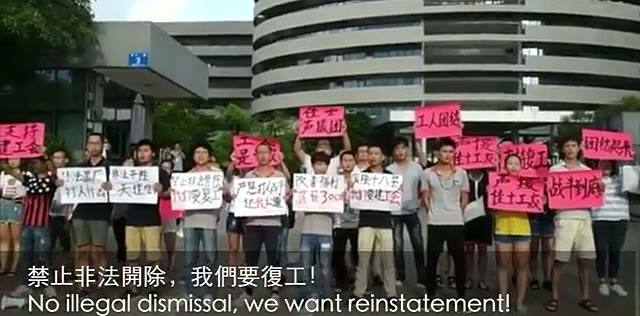
抗争的起点:罚款单上的工厂:深圳佳士科技股份有限公司是一家生产焊接设备的民营企业,工厂位于深圳市坪山区。让工人忍无可忍的,不是某一件突发的大事,而是日复一日的细账:公司任意变更排班、变相扣减工资,用一套随意性极强的罚款制度从工钱里扣款,社会保险和住房公积金长期少缴,还被指泄露员工身份信息、建立员工黑名单。据中国人权捍卫者等机构后来的汇总,工人的不满集中在克扣、罚款与强制加班上。2018年5月,工人代表余浚聪等人先走的是体制内的第一步:向坪山区总工会投诉工作条件。接访的工会干部给出的建议,是让他们依法组建工会,并告知了法定程序——这一步后来成为整场抗争的合法性原点:工人不是先闹事再找理由,而是先投诉、被指路、再按程序组会。Where the resistance began: a factory run by fines: Shenzhen Jasic Technology was a private manufacturer of welding equipment with its plant in the city's Pingshan District. What finally exhausted the workers was not one dramatic incident but the daily arithmetic: the company arbitrarily changed shift schedules and in effect cut pay, ran a highly discretionary system of fines deducted from wages, chronically underpaid social-insurance and housing-fund contributions, and was accused of leaking employees' identity information and keeping blacklists. Later summaries by Chinese Human Rights Defenders and others put the grievances under three headings: withheld pay, fines, and forced overtime. In May 2018, worker representatives including Yu Juncong took the first step the system itself prescribes: they complained about working conditions to the Pingshan District Federation of Trade Unions. The union officials who received them advised them to form a union in accordance with the law, and explained the legal procedure. That advice became the movement's point of legal origin: the workers did not make trouble first and find a justification later — they complained, were pointed to the procedure, and then followed it.
组建工会:联署、筹备与工人代表:投诉之后,余浚聪的遭遇先给所有人上了一课。据联合国特别程序2019年致中国政府的信函记载,2018年5月8日,余浚聪向区总工会投诉后,被车间组长殴打;5月10日晚,他接到人事经理的短信,被公司开除,厂方后来对外称理由是旷工。但组会的行动没有因此停下:6月,工人骨干发起组建工会的联署,短短两周征集到的签名,一说约八十人,一说八十九人,本站并列存录。站到前台的工人代表包括余浚聪、刘鹏华、米久平、李展等人,余伟业等工友也在其后的一系列行动中成为骨干;米久平还以工人诗人的笔名写下记录工厂生活的诗作。他们起草公开信、推举代表、与区总工会和厂方往返交涉,走的每一步都留着文字记录——这也是佳士抗争与许多自发讨薪行动最大的不同:从一开始,它就是一场有组织、有文书、有代表的建会行动。Building the union: the petition, the preparatory group and the worker representatives: After the complaint, what happened to Yu Juncong taught everyone a first lesson. According to the May 2019 letter from six UN special-procedure mandate holders to the Chinese government, on May 8, 2018, after complaining to the district union federation, Yu was beaten by his team leader; on the evening of May 10 he was dismissed by a text message from the personnel manager, with the company later citing absenteeism as the reason. The organizing did not stop. In June, worker activists launched a petition to form a union; the signatures gathered within about two weeks are given as roughly eighty in some accounts and eighty-nine in others, and this page records both. The worker representatives who stepped forward included Yu Juncong, Liu Penghua, Mi Jiuping and Li Zhan, with workers such as Yu Weiye also becoming central figures in the actions that followed; Mi Jiuping, a worker-poet, wrote verse recording factory life. They drafted open letters, elected representatives and negotiated back and forth with the district federation and the company, leaving a paper trail at every step — the sharpest difference between the Jasic campaign and many spontaneous wage protests: from the start, this was an organized union drive, with documents and named delegates.
开除与升级:从厂门口到派出所:厂方的回应是逐一开除带头工人。被开除的工人没有散去,他们回到工厂门口,要求复工、要求允许组建工会,与厂方和到场警察的对峙从此开始。7月20日前后,冲突第一次见血:据国际特赦组织的中文通报,筹建工会员工刘鹏华在如常上班时被警察殴打及扣查,多名工人及支持者赶到燕子岭派出所要求放人,也被扣留和殴打;另有记述称当天约二十名抗议者被带到派出所扣留一夜、次日获释。事件的详细经过与各方说法,本站事件档案页有专段记录,本页只固定抗争线上的意义:工人第一次发现,他们讨要的已经不只是工会,还包括对打人警察的追责——抗争的目标,就这样从劳资纠纷滑向了对公权力的质问。取保获释的工人随后继续开会、继续发公开信,7名工友曾联名致信,点名四名警察的姓名警号,抗议暴力执法、要求处理结果。Dismissals and escalation: from the factory gate to the police station: Management's answer was to fire the leading workers one by one. The dismissed workers did not disperse. They returned to the factory gate demanding reinstatement and permission to form their union, and confrontation with the company and the police began. Around July 20 the conflict turned physical for the first time: according to Amnesty International's Chinese-language reporting, Liu Penghua, one of the union organizers, was beaten and detained by police while at work as usual, and workers and supporters who went to the Yanziling police station to demand his release were themselves detained and beaten; another account records about twenty protesters held at the station overnight and released the next day. The Events file gives the full sequence and each side's account; this page fixes only the turning point's meaning for the resistance line: for the first time, the workers found that what they were demanding was no longer only a union but also accountability for the officers who beat them — the target of the struggle slid from a labour dispute toward the public power itself. Workers released on bail kept meeting and kept publishing open letters; seven workers signed a joint letter naming four police officers by name and badge number, protesting violent law enforcement and demanding a result.
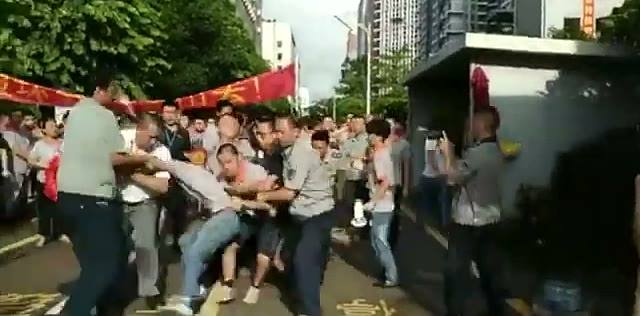
7月27日:讨说法的人被刑事拘留:讨说法的行动在7月27日撞上了刑拘。工人与声援者再到佳士厂门口要求复工时,燕子岭派出所以涉嫌寻衅滋事罪将他们成批带走。被刑拘的人数,各家口径并不一致:人权观察记为二十九人,其后十五人获释;国际特赦组织记为三十人,其中二十三名男性、七名女性;联合国专家的信函则列明四名工人代表与二十五名工人和一名学生一同被拘。本站三种口径并列,不取舍。这一天是整场抗争的分水岭。此前,佳士工人的行动半径基本在坪山,诉求也始终在《工会法》的框架里;7月27日的大抓捕把消息送上了全国的社交媒体,也把一批原本与佳士毫无关系的年轻人推到了坪山。声援团的出现,正是这次刑拘的直接产物——这一点顺序不能颠倒:不是先有外部声援、再有工人抗争,而是工人先以身入局,声援者随后赶到。July 27: those who came to seek an explanation are criminally detained: On July 27 the campaign for an explanation ran into criminal detention. When workers and supporters again went to the Jasic factory gate to demand reinstatement, the Yanziling police station took them away in batches on suspicion of picking quarrels and provoking trouble. The counts do not agree: Human Rights Watch records twenty-nine detained, fifteen of them later released; Amnesty International records thirty — twenty-three men and seven women; the UN experts' letter lists the four worker representatives detained together with twenty-five other workers and one student activist. This page sets the three counts side by side and chooses none. July 27 was the watershed of the whole campaign. Before it, the Jasic workers' radius of action was essentially Pingshan, and their demands had stayed inside the framework of the Trade Union Law. The mass detention carried the news onto social media nationwide and pushed a generation of young people with no prior connection to Jasic toward Pingshan. The solidarity group was the direct product of these detentions — and the order matters: there was no outside support first and worker resistance second; the workers put themselves on the line first, and the supporters arrived after.
声援团的形成:佳士工友声援团:7月28日起,声援者陆续抵达。据对话基金会的人权日志梳理,最初的组织者是沈梦雨、岳昕和来自北京大学、清华大学、南京大学、中山大学等高校的同情者,他们在7月28日至8月初之间组成声援团体,对外称佳士工友声援团,另有广东深圳建会工人声援团等称呼。声援团的构成与传统维权声援不同:核心成员多是在校大学生和刚毕业的青年,来自各校的马克思主义学会、读书会等左翼社团;也有其他工厂的工人、劳工机构的关注者和退休干部等。他们在深圳与惠州交界处租住驻地,每天到派出所和厂区附近举牌、喊话、发公开信,核心诉求始终只有两条:释放被拘工友,允许佳士工人依法组建工会。8月10日,声援团成员郑永明、沈梦雨、徐忠良、岳昕等人还发表公开信,要求坪山区检察院调查警方违法拘留工人一事。声援团的账目、名单和行动通告当时都在网上公开——他们是以公开的方式,做一件他们认为完全合法的事。The solidarity group takes shape: From July 28, supporters began to arrive. According to the Dui Hua Foundation's human rights journal, the first organizers were Shen Mengyu and Yue Xin, together with sympathizers from Peking University, Tsinghua University, Nanjing University, Sun Yat-sen University and other campuses; between July 28 and early August they formed the support body known publicly as the Jasic Workers Solidarity Group, also rendered as the Guangdong–Shenzhen pro-union workers' solidarity group. Its composition differed from traditional rights-defence support networks: the core were current students and recent graduates from campus left-wing bodies — Marxist societies and reading groups — joined by workers from other factories, labour-organization watchers and retired cadres. They rented quarters near the Shenzhen–Huizhou border and went daily to the police station and the factory area with placards, chants and open letters. Their demands remained just two: release the detained workers, and let the Jasic workers form a union according to law. On August 10, group members Zheng Yongming, Shen Mengyu, Xu Zhongliang and Yue Xin published an open letter calling on the Pingshan District Procuratorate to investigate the police's unlawful detention of the workers. The group's accounts, rosters and action notices were all posted openly online — they were doing, in public, something they believed to be entirely lawful.
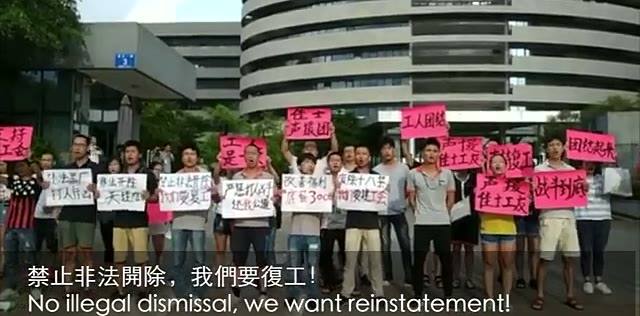
声援者的色彩:左翼青年与毛左声援:这一页必须如实写明声援团的意识形态色彩,不回避、也不夸张。声援团成员多自认马克思主义者,不少人来自校园毛泽东思想学习社团;他们在行动中高唱《国际歌》,有人举起毛泽东像,把佳士工人的遭遇放进工人阶级和劳工神圣的话语里讲述。与此同时,毛左网站系统也在网上声援:乌有之乡、毛泽东旗帜网等网站持续转载声援文章,红色参考、时代先锋等左翼刊物和网站的编辑后来成为抓捕对象;据美国之音转述的说法,乌有之乡一度组织起约一千一百人规模的网上声援群体。还要看到另一面:声援者内部并非铁板一块,有研究者和亲历者后来指出,学生声援者的话语有时盖过工人自己的声音,工学之间的主次在运动后期出现过张力。但无论怎样评价,有一点是档案事实:2018年夏天站到佳士工人身边的,主要是中国社会里最认真对待官方意识形态的一批年轻人——他们背诵的经典、唱的歌曲、举的画像,全部来自这个政权自己的神殿。The supporters' colours: left-wing youth and the Maoist left: This page must state the solidarity group's ideological colouring plainly, without evasion or exaggeration. Most members identified as Marxists, many of them from campus societies for the study of Mao Zedong Thought. In action they sang The Internationale, some carried portraits of Mao Zedong, and they framed the Jasic workers' treatment in the language of the working class and the sanctity of labour. At the same time, the Maoist website ecosystem campaigned online: Utopia, the Mao Zedong Banner site and similar outlets republished solidarity articles, and editors of left-wing publications and sites such as Red Reference and Pioneer of the Times later became targets of arrest; a figure relayed by Voice of America put the online solidarity groups organized through Utopia at about 1,100 people. The other side must also be recorded: the supporters were not monolithic, and researchers and participants later noted that the students' discourse sometimes drowned out the workers' own voices, and that tensions over who led and who followed appeared late in the campaign. But whatever the judgement, one fact belongs to the archive: those who stood beside the Jasic workers in the summer of 2018 were, in the main, the young people in Chinese society who took the official ideology most seriously — the classics they recited, the songs they sang and the portraits they carried all came from the regime's own pantheon.
跨地声援:联署、请愿与香港的街头:声援很快溢出坪山。全国多所高校的学生发起联署公开信声援佳士工人,签名者不断被校方约谈、信件不断被删除,又不断被转发;工人家属和其他工厂的工友也加入到厂区和派出所前的行动。8月22日至23日,在北京的工人和学生声援者先后到全国总工会信访部门和全国妇联递交请愿材料——他们把最后的希望寄托在体制名义上的工人组织和妇女组织身上,得到的回应是更严密的监视,事件档案页对此有记录。在香港,声援走上了街头:香港职工会联盟联合三十多个民间团体在8月31日发表联署声明,要求立即释放所有被捕工人和声援者,并多次组织游行和到中联办抗议。职工盟当时的统计称,算上8月11日以来被带走的人,当时已有接近七十人被拘留或软禁——这个数字是声援方在镇压进行中的即时统计,高于其他机构事后确认的数字,本站按声援方口径标注存录。跨地声援的意义不在于规模,而在于它证明了佳士不再是一间工厂的纠纷:香港的工会、北京的请愿者、各地的学生,都在用各自的方式回答同一个问题——工人可不可以有自己的工会。Solidarity across places: petitions, delegations and Hong Kong's streets: Solidarity quickly spilled beyond Pingshan. Students at universities across China launched open-letter petitions for the Jasic workers; signatories were summoned by their schools, the letters were deleted, and were reposted again. Workers' family members and workers from other factories joined the actions at the factory and the police station. On August 22–23, worker and student supporters in Beijing delivered petitions to the complaints office of the All-China Federation of Trade Unions and to the All-China Women's Federation — placing their last hopes in the organizations that nominally represent workers and women — and received tighter surveillance in return, as the Events file records. In Hong Kong, solidarity took to the streets: the Hong Kong Confederation of Trade Unions, with more than thirty civil-society organizations, issued a joint statement on August 31 demanding the immediate release of all arrested workers and supporters, and repeatedly marched and protested at the Liaison Office. The Confederation's running count at the time said that, including those taken away since August 11, close to seventy people were then detained or under house arrest — a figure compiled by the support side while the crackdown was still unfolding, higher than what other bodies later confirmed, and recorded here as the support side's count. The meaning of the cross-regional solidarity lay not in its scale but in what it proved: Jasic was no longer one factory's dispute. Hong Kong unionists, Beijing petitioners and students in many cities were each, in their own way, answering the same question — may workers have a union of their own?
8月11日:沈梦雨被带走:清场之前的先兆,是声援团骨干先被逐个带走。沈梦雨是声援团里最具组织经验的成员之一——她曾在工厂打工数年,是中山大学的硕士毕业生,工人与学生之间的联络多经由她。据人权观察记录,2018年8月11日,沈梦雨与父亲吃晚饭时,被三名身份不明男子强行塞进一辆无牌车辆带走。这里要把一处流传甚广的转述改正:中文网络上常见的沈梦雨等三人被带走的说法有误,被带走的是沈梦雨一人,三指的是动手的男子人数;同一时期确有其他声援者陆续被带走,但8月11日这一幕,主角只有沈梦雨一人。她被带走后,声援团于8月13日公开抗议其失踪,要求放人;官方事后对声援者称她已被送回老家,而事件档案页引述的后续核实显示,她实际被软禁在深圳一家酒店、由国保轮流监视。带走的方式本身就是信息:不用警车、不用手续、不用通知家属——失踪先于拘留发生。August 11: Shen Mengyu is taken away: Before the raid came the warning sign: the solidarity group's organizers began to be taken away one by one. Shen Mengyu was among the group's most experienced organizers — she had worked in factories for several years, held a master's degree from Sun Yat-sen University, and much of the liaison between workers and students ran through her. Human Rights Watch records that on August 11, 2018, while Shen was having dinner with her father, three unidentified men forced her into an unmarked vehicle and drove her away. A widely circulated retelling needs correcting here: the common Chinese-language version that Shen Mengyu and two others were taken that day is wrong — Shen alone was taken, and three is the number of the men who seized her. Other supporters were indeed taken away around the same period, but the August 11 scene has one protagonist. After her seizure, the solidarity group publicly protested her disappearance on August 13 and demanded her release; officials later told supporters she had been sent back to her hometown, while later verification cited in the Events file shows she was in fact held under soft detention in a Shenzhen hotel, watched in shifts by state-security officers. The manner of the taking was itself the message: no police car, no paperwork, no notice to family — disappearance preceded detention.
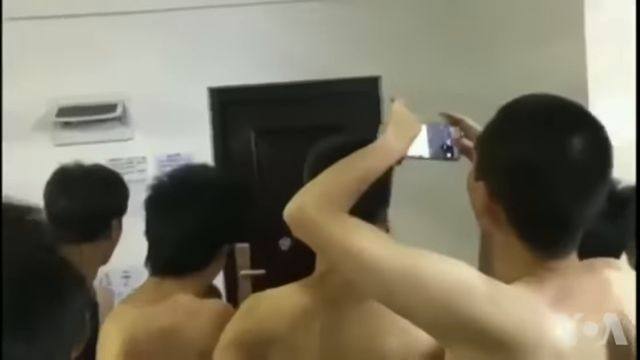
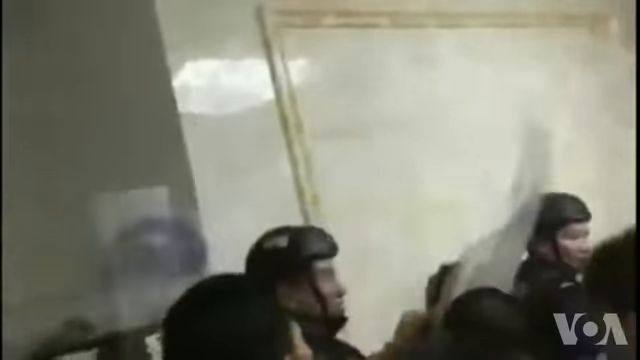
8月24日凌晨:清场:2018年8月24日凌晨五点左右,大批持盾防暴警察闯入声援团位于惠州惠阳、深惠交界处的驻地民宅。据对话基金会引述《纽约时报》的报道,警察破门时,屋里的人手拉手唱起了《国际歌》。现场发出的两段短视频成为声援团最后的声音,此后全体失联。当场被带走的人数,各家口径如下:人权观察记为约五十人;本站事件档案页记为约五十名学生加约十名工人,合计约六十人;香港职工盟把8月11日以来被带走者一并计算,称接近七十人被拘留或软禁。三种口径统计范围不同,本站并列存录。同日,住在北京的声援团毕业生顾佳悦、杨少强被北京警方带走,在深圳上访的工友唐向伟、尚杨雪被广东警方带走;广东警方还赴北京抓捕红色参考编辑部成员,声援工运的时代先锋网站七名编辑被软禁。清场之后的处理分两轨:在校学生多在两日内获释、被遣返原籍并受当地公安监视;毕业生和工人则被关押在别处,其中沈梦雨、岳昕、顾佳悦、郑永明、徐忠良等核心成员据声援方的统计被指定居所监视居住,与外界完全隔绝。The dawn raid of August 24: At about five in the morning on August 24, 2018, large numbers of shield-bearing riot police stormed the solidarity group's rented quarters in Huiyang, Huizhou, near the Shenzhen border. The Dui Hua journal, citing The New York Times, reports that as the police broke through the door, the people inside held hands and sang The Internationale. Two short videos sent from the scene were the group's last sounds; after them, all contact ceased. The counts of those taken away differ by scope: Human Rights Watch gives about fifty people; this site's Events file gives about fifty students plus about ten workers, roughly sixty in total; the Hong Kong Confederation of Trade Unions, counting everyone taken since August 11, put close to seventy people in detention or house arrest. The three figures count different sets, and this page records them side by side. The same day, solidarity-group graduates Gu Jiayue and Yang Shaoqiang were seized by Beijing police, and petitioning workers Tang Xiangwei and Shang Yangxue were taken by Guangdong police in Shenzhen; Guangdong police also went to Beijing to detain members of the Red Reference editorial team, and seven editors of the pro-labour Pioneer of the Times website were placed under soft detention. What followed the raid ran on two tracks: students still enrolled were mostly released within two days and sent back to their home regions under local police surveillance, while graduates and workers were held elsewhere — core members including Shen Mengyu, Yue Xin, Gu Jiayue, Zheng Yongming and Xu Zhongliang were, by the support side's tally, placed under residential surveillance at a designated location, cut off from the outside world entirely.
官方定性:境外势力通稿:清场的同一天,新华社发表长篇调查报道,为事件定性。报道称,深圳市打工者中心员工付常国受境外非政府组织指使、接受一家香港注册劳工组织的资金,组织工人闹事,并点名余浚聪等人串联组建工会、冲击工厂和派出所。付常国本人此前已于8月10日被拘留,后与四名工人一起被以聚众扰乱社会秩序罪正式逮捕。这套叙事的结构值得存档:它把抗争的起点——工人向区总工会投诉、被工会干部建议依法组会——完全略去,只保留境外资金与指使的线索;把一场有公开信、有联署、有代表名单的公开行动,改写成受人操纵的闹事。新华社是中国官方通讯社,这篇报道是事件的官方定性文本,此后内地媒体对佳士的报道全面消失,佳士成为网络敏感词。国际特赦组织后来在分析寻衅滋事罪的报告中特别指出,付常国到现场声援即被指控收受境外资金指挥工人,其罪名随后被改成聚众扰乱社会秩序——定性先行、罪名跟进的顺序,在他身上看得最清楚。The official verdict in advance: the foreign-forces framing: On the day of the raid, Xinhua published a long investigative report that fixed the official characterization of the affair. It claimed that Fu Changguo, an employee of the Shenzhen Dagongzhe Migrant Workers Centre, had organized workers to make trouble at the direction of overseas non-governmental organizations, funded by a Hong Kong-registered labour organization, and it named Yu Juncong and others as having conspired to form a union and storm the factory and the police station. Fu himself had been detained on August 10 and was later formally arrested, together with the four workers, for gathering a crowd to disrupt social order. The structure of this narrative is worth archiving: it omits entirely the campaign's starting point — workers complaining to the district union federation and being advised by its officials to form a union according to law — and keeps only the threads of foreign money and foreign direction, rewriting a public campaign of open letters, petitions and named representatives as manipulated troublemaking. Xinhua is China's official news agency, and the report stands as the affair's official framing text; afterwards, mainland coverage of Jasic vanished altogether and Jasic became a censored word online. Amnesty International, in its later analysis of the picking-quarrels charge, singled out Fu's case: a man who had merely shown up in support was accused of taking foreign funds to direct the workers, and his charge was then switched to gathering a crowd to disrupt social order — framing first, charge following, visible in his case most clearly of all.
清场之后:分批释放、持续失联与11月抓捕:清场不是镇压的终点,而是把镇压拆散到全国的过程。在校学生被分批遣返,回到学校和老家后仍被监视、约谈;部分声援者获释后发表公开声明,讲述夜间持空白传唤证上门搜查、二十四小时连续审讯的经过,国际特赦组织的紧急行动文件记录了其中个案。核心成员则继续失联:到2018年11月底,据声援团向人权观察提供的情况,仍有三十二名工人和活动人士被羁押、失踪或指定居所监视居住。2018年11月9日和11日,又一轮抓捕在五座城市展开——北京、广州、上海、深圳、武汉,人数各家统计从十余人到十八人不等,本站事件档案页取人权在中国的十八人口径,另有报道记为十九人加三人。这一轮最刺眼的一幕发生在北京大学校内:声援团毕业生张圣业在校园里被十余名黑衣男子殴打后强行拖进车里带走,目击学生也被殴打、手机里的影像被强令删除,校方保安没有干预。为佳士工人和学生辩护的律师黄沙,于11月30日在深圳家中被带走。镇压的逻辑至此完整:先抓工人,再清声援团,再抓声援声援团的人,最后连律师一并带走。After the raid: staggered releases, continuing disappearances, and the November roundups: The raid was not the end of the repression but its dispersal across the country. Enrolled students were sent home in batches and remained under surveillance and repeated summons in their schools and hometowns; some released supporters published statements describing night-time home searches on blank summons forms and twenty-four-hour interrogations, individual cases of which Amnesty International's urgent-action file records. The core members stayed disappeared: by the end of November 2018, according to the solidarity group's information to Human Rights Watch, thirty-two workers and activists remained in custody, missing, or under residential surveillance at a designated location. On November 9 and 11, another round of arrests swept five cities — Beijing, Guangzhou, Shanghai, Shenzhen and Wuhan — with counts ranging from more than a dozen to eighteen; this site's Events file follows Human Rights in China's figure of eighteen, while other reporting gives nineteen plus three. The starkest scene of that round took place on the Peking University campus: solidarity-group graduate Zhang Shengye was beaten by more than a dozen men in black clothing and dragged into a car, student witnesses were also beaten and the images on their phones forcibly deleted, and campus security did not intervene. On November 30, Huang Sha, a lawyer who had represented Jasic workers and students, was taken from his Shenzhen home. By then the logic of the repression was complete: first the workers, then the solidarity group, then those who had supported the solidarity group, and finally the lawyer as well.
2019年1月:被迫拍摄的认罪视频:失联近五个月后,四名声援团核心成员以一种特殊方式重新出现。2019年1月21日,中央社援引佳士工友声援团官网的消息报道:岳昕、顾佳悦、沈梦雨、郑永明四名毕业生被广东警方强迫在一部约三十分钟的视频中认罪,视频随后由国家安全部门拿给部分被约谈的声援团成员观看。据看过视频的人转述,四人在镜头前脸色苍白、口齿不清,自称被激进组织洗脑、散布虚假信息、给社会造成负面影响,说话如同背诵稿件。路透社的后续报道证实,这类视频被拿到北京大学等高校组织左翼学生观看,目的不在向社会公布案情,而是警告仍在校园里的学生。声援团发表声明,斥责警方强迫在押者拍摄视频、分化震慑坚持声援的人。本站在这一段要把另一处常见混淆改正并固定下来:出现在认罪视频里的是四名声援团毕业生,不是四名佳士工人;把两组人混为一谈的转述,既弄错了人,也弄错了镇压的先后——视频的对象是声援网络,工人们的案件则始终在沉默中推进。视频播放之后,四人继续失联,家属和律师仍无法会见。January 2019: the forced confession videos: After nearly five months of disappearance, four core members of the solidarity group reappeared in a peculiar form. On January 21, 2019, Taiwan's Central News Agency, citing the Jasic Workers Solidarity Group's website, reported that four graduates — Yue Xin, Gu Jiayue, Shen Mengyu and Zheng Yongming — had been forced by Guangdong police to confess in a video of about thirty minutes, which state-security officers then showed to supporters they had summoned. People who saw the video described the four as pale and slurred, saying they had been brainwashed by a radical organization, spread false information and harmed society, speaking as if reciting a script. Reuters' later reporting confirmed that such videos were screened for left-wing students at Peking University and other universities — not to inform the public about any case, but to warn students still on campus. The solidarity group issued a statement denouncing the police for forcing detainees to film the video in order to divide and intimidate those still holding out. This page corrects and fixes here another common confusion: the people in the confession videos were four solidarity-group graduates, not the four Jasic workers. Retellings that merge the two groups get both the people and the sequence of the repression wrong — the videos targeted the support network, while the workers' own case advanced throughout in silence. After the screenings, the four remained disappeared, and their families and lawyers still could not meet them.
四名工友的判决:2019年4月,缓刑三年:工人们的案件,公开世界等了四年才等到一个官方口径的答案。余浚聪、刘鹏华、米久平、李展四人于2018年8月至9月间被正式逮捕,罪名已从最初刑拘时的寻衅滋事,改为聚众扰乱社会秩序;据中国人权捍卫者向联合国提交的材料,四人的律师多次要求会见被拒,有律师受压退出,新律师被告知案件涉及国家秘密。案件没有公开开庭,没有公开宣判,国内没有任何判决消息。直到国际劳工组织结社自由委员会2022年至2023年的报告转述中国政府提供的信息,外界才得知:2019年4月,深圳市坪山区人民法院以聚众扰乱社会秩序罪,判处四人各有期徒刑一年六个月、缓刑三年,其后接受社区矫正。结社自由委员会同时记录,中国政府始终没有向其提交判决书副本——也就是说,这份判决至今没有公开文本,本站所记刑期来自中国政府对国际劳工组织的答复口径,而非判决书原文。流传的余浚聪被判两年、或四人以寻衅滋事罪判刑等说法,与上述口径均不符,本站不予采用。同一批被捕的打工者中心员工付常国,其判决结果至今无公开记录;2019年1月20日被捕的五名劳工机构活动人士张治儒、吴贵军、何远成、简辉、宋嘉惠,与佳士案并无直接参与关系,属于镇压外溢,2020年4月24日被以同一罪名判处长短不一的缓刑——这也是国际劳工组织报告记录在案的口径。The four workers' verdict: April 2019, suspended sentences: For the workers' case, the public world waited four years for an answer in any official register. Yu Juncong, Liu Penghua, Mi Jiuping and Li Zhan were formally arrested between August and September 2018, the charge having been changed from the picking-quarrels label of their initial detention to gathering a crowd to disrupt social order. According to Chinese Human Rights Defenders' submission to the United Nations, the four men's lawyers were repeatedly refused meetings, some were pressured to withdraw, and a replacement lawyer was told the case involved state secrets. There was no public trial, no public sentencing, and no verdict news inside China. Only when the ILO Committee on Freedom of Association's reports of 2022–2023 relayed information provided by the Chinese government did the outside world learn that in April 2019 the Pingshan District People's Court in Shenzhen had sentenced each of the four to one year and six months' imprisonment, suspended for three years, for gathering a crowd to disrupt social order, after which they underwent community correction. The Committee also records that the government never transmitted copies of the judgments — the verdicts have no public text to this day, and the sentences recorded here come from the Chinese government's replies to the ILO, not from any judgment document. Circulating claims that Yu Juncong was sentenced to two years, or that the four were convicted of picking quarrels, match none of this and are not adopted here. No verdict for Fu Changguo, the workers' centre employee arrested in the same sweep, has any public record. The five labour-NGO activists arrested on January 20, 2019 — Zhang Zhiru, Wu Guijun, He Yuancheng, Jian Hui and Song Jiahui — had no direct part in the Jasic campaign and belong to the repression's spillover; on April 24, 2020 they were convicted of the same crowd-gathering charge and given suspended sentences of varying lengths, again as recorded in the ILO Committee's reports.
国际反应:工会、人权机构与联合国:佳士抗争从一开始就处在国际劳工与人权机构的注视之下。国际特赦组织在2018年7月27日抓捕后立即发表声明要求无条件释放被拘者,11月23日又为四名工人和付常国发出紧急行动文件;2019年8月事件一周年时,国际特赦指出一年间累计逾百人被拘、抓捕仍未平息。人权观察于2018年12月发表报告,系统记录从7月刑拘、8月11日沈梦雨被带走、8月24日清场到11月五城抓捕的全过程,要求立即释放所有被任意拘留和强迫失踪的工人与学生。国际工会联合会则把案件送进制度渠道:它向国际劳工组织结社自由委员会提交申诉,附上三十一名因佳士建会而被拘留或失踪者的名单,委员会此后多年反复要求中国政府提交判决书、说明每名被捕者的下落与处理结果;英国工会联盟总书记于2018年9月直接致信中国总理李克强,要求释放所有因依法建会而被捕的佳士工人。2019年5月1日,联合国六个特别程序机制联合致函中国政府和佳士公司,对四名工人和付常国的逮捕、律师被拒会见等问题表示关切。康奈尔大学则因中国人民大学惩处参与声援的学生,终止了与该校的合作项目。这些反应的共同点是:它们没有停留在谴责,而是把佳士变成了国际劳工标准下持续追踪的个案——本站上面所记的判决口径,正来自这条追踪链的末端。The international response: unions, rights bodies and the United Nations: The Jasic campaign stood under the gaze of international labour and human-rights bodies from the start. Amnesty International issued a statement immediately after the July 27 detentions demanding unconditional release, and on November 23 filed an urgent action for the four workers and Fu Changguo; at the affair's first anniversary in August 2019, Amnesty noted that more than a hundred people had been detained cumulatively over the year and that arrests had not ceased. Human Rights Watch's December 2018 report systematically documented the sequence from the July detentions through Shen Mengyu's seizure on August 11, the August 24 raid and the November five-city roundups, and demanded the release of all arbitrarily detained and forcibly disappeared workers and students. The International Trade Union Confederation put the case into institutional channels: its complaint to the ILO Committee on Freedom of Association carried an appendix listing thirty-one people detained or disappeared in connection with the Jasic union drive, and the Committee spent years repeatedly demanding that the Chinese government transmit the judgments and account for each person's whereabouts and outcome. In September 2018 the general secretary of Britain's Trades Union Congress wrote directly to Premier Li Keqiang demanding the release of all Jasic workers arrested for forming a union lawfully. On May 1, 2019, six UN special-procedure mandates jointly wrote to the Chinese government and to Jasic itself, raising the arrests of the four workers and Fu Changguo and the denial of access to lawyers. Cornell University, for its part, terminated its partnership with Renmin University over the punishment of students involved in the solidarity campaign. These responses shared one feature: they did not stop at condemnation, but turned Jasic into a case tracked continuously under international labour standards — and the verdict figures recorded above reached this page from the far end of that tracking chain.
学界的讨论:官方意识形态的反噬:佳士事件在学界激起的讨论,核心是一个反噬的命题。一批以马克思主义自我认同的青年,援引官方奉为正统的经典与话语,为工人组建工会奔走,最后被以扰乱社会秩序的名义镇压;镇压他们的政权,恰恰以同一套意识形态立国。康奈尔大学劳工问题学者弗里德曼对事件档案页所引的评论一语中的:国家想牢牢掌控话语的定义权。布兰切特2019年出版的《中国的新红卫兵》把佳士放进当代中国激进左翼的谱系中讨论,分析毛主义青年在国家与市场双重挤压下的位置;劳工研究刊物《中国制造期刊》持续追踪案件,把佳士之后对劳工非政府组织网络的连带清理称为整个劳工生态的转折。也有学者提醒另一种复杂性:学生声援者的高调话语可能抬高了工人谈判的成本,工学联盟内部的目标与节奏并不总是一致;声援团的公开动员模式在严密监控下几乎注定招致清场。这些讨论没有共识,但都绕不开同一组事实:佳士的工人和学生没有使用任何体制外的意识形态,他们使用的是体制自己的语言——而这套语言一旦被普通人认真使用,竟成了需要动用防暴警察的威胁。本站的本站点评附在事件档案页,本页只固定这场讨论的存在与分歧,不代替学界下结论。The scholarly debate: when the official ideology turns back on itself: The scholarly discussion of Jasic turns on a single proposition: backfire. Young people who identified as Marxists, invoking the canon and the vocabulary the state itself holds orthodox, campaigned for workers to have a union — and were suppressed in the name of social order by a regime founded on that same ideology. Cornell labour scholar Eli Friedman, quoted in the Events file, put it in one line: the state wants a firm grip on defining the discourse. Jude Blanchette's 2019 book China's New Red Guards placed Jasic within the genealogy of China's contemporary radical left, analysing Maoist youth squeezed between state and market. The Made in China Journal tracked the case continuously and treated the follow-on purge of the independent labour-NGO network after Jasic as a turning point for the whole labour ecosystem. Other scholars flag a different complexity: the student supporters' high-profile discourse may have raised the workers' bargaining costs, the worker-student alliance did not always share goals or tempo, and the solidarity group's open mobilization was, under total surveillance, almost bound to end in a raid. There is no consensus in this literature, but it cannot escape one set of facts: Jasic's workers and students used no ideology from outside the system — they used the system's own language, and that language, taken seriously by ordinary people, became a threat requiring riot police. This site's own commentary sits in the Events file; this page fixes the existence and the disagreements of the debate without settling it.
当事人与家属:能追踪到的部分:最后是人的下落,只写能核实的部分。四名工人被判缓刑后接受社区矫正,缓刑考验期届满之后,本站未检索到关于他们工作与生活的可靠公开报道,其现状记为无公开记录;家属在这场案件里承受的压力有据可查:余浚聪的家属一度没有收到正式的拘留和逮捕通知,家属聘请的第一位律师会见一次后在司法部门压力下退出,此后新律师始终未获准会见——这些细节见于联合国专家的信函与良心犯资料库的记录。声援学生一侧,被遣返者多数回到学校和家乡,在监视中毕业、离散,公开报道自此基本停止,其中个别人此后的去向只在有公开报道时才被记录,本站不逐一臆测。几名核心成员的下落则长期成谜:岳昕在2019年1月认罪视频之后再无确切公开消息,2023年8月海外光传媒有一则她已经获释、在一家与图书馆相关的机构做志愿者的单一来源报道,本站无法独立核实,标为未核;沈梦雨、顾佳悦、郑永明在认罪视频之后同样无可靠公开记录,张圣业自2018年11月在北大校园被带走后,其获释与否无权威公开消息。校园里的组织痕迹则被系统清除:2018年9月北大校方强制改组北大马克思主义学会、另定会长,2019年1月参与声援的北大学生展振振被强制退学。本页宁可留下这些空白,也不拿传闻填补——对于几个可能仍在国内生活的普通人,空白本身就是一种保护。The people and their families: what can still be traced: Finally, the people themselves — and only what can be verified. After their suspended sentences, the four workers underwent community correction; once the probation period expired, this site found no reliable public reporting on their work or lives, and their current situation is recorded as no public record. The pressure on their families is documented: Yu Juncong's family for a time received no formal detention or arrest notice, the first lawyer the family hired withdrew under pressure from the judicial authorities after a single meeting, and replacement lawyers were never permitted to meet him — details recorded in the UN experts' letter and in prisoner-of-conscience databases. On the student side, most of those sent home returned to their schools and hometowns and graduated or dispersed under surveillance; public reporting then essentially stops, and this page records an individual's later whereabouts only where public reporting exists, without case-by-case speculation. The whereabouts of several core members long remained unknown: after the January 2019 confession video, there was no confirmed public news of Yue Xin; in August 2023 the overseas outlet Photon Media carried a single-source report that she had been released and was volunteering with a library-related organization, which this site cannot independently verify and marks as unverified. Shen Mengyu, Gu Jiayue and Zheng Yongming likewise have no reliable public record after the confession video, and no authoritative public information establishes whether Zhang Shengye, taken from the Peking University campus in November 2018, was ever released. The organizational traces on campus were meanwhile systematically erased: in September 2018 Peking University forcibly reorganized its Marxist Society and installed a new president, and in January 2019 the PKU student Zhan Zhenzhen, who had joined the solidarity campaign, was forcibly expelled. This page leaves these blanks rather than filling them with rumour — for ordinary people who may still be living inside China, a blank is itself a form of protection.
档案来源:本条目依据的材料包括:国际劳工组织结社自由委员会关于中国结社自由申诉案的历次报告(含2019年第三百九十一号报告及2022年至2023年后续报告,其中转述国际工会联合会的申诉与中国政府的答复);联合国六个特别程序机制2019年5月1日致中国政府与佳士公司的联合信函;人权观察2018年12月关于释放被拘工人与学生活动人士的报告;国际特赦组织2018年8月的声明、2018年11月23日的紧急行动文件、2019年8月事件一周年的声明及其关于寻衅滋事罪的专题分析;对话基金会人权日志对佳士抗争时间线的梳理;香港职工会联盟2018年8月31日的联署声明;英国工会联盟2018年9月致中国总理的信函报道;路透社、中央社2019年1月关于认罪视频的报道与新华社2018年8月24日的官方定性报道;以及本站事件档案页已经核录的事实部分。学界材料包括布兰切特《中国的新红卫兵》、《中国制造期刊》的佳士追踪与康奈尔大学学者的公开评论。人物姓名、日期、人数与刑期,均在上述来源之间交叉核对后写入;来源不一致之处在下一段逐项标明。Sources for this entry: Materials behind this entry include the successive reports of the ILO Committee on Freedom of Association on the freedom-of-association complaint against China — including Report No. 391 of 2019 and the follow-up reports of 2022–2023, which relay both the International Trade Union Confederation's complaint and the Chinese government's replies; the joint letter of May 1, 2019 from six UN special-procedure mandates to the Chinese government and to Jasic; Human Rights Watch's December 2018 report calling for the release of detained workers and student activists; Amnesty International's August 2018 statement, its urgent action of November 23, 2018, its statement at the affair's first anniversary in August 2019 and its analysis of the picking-quarrels offence; the Dui Hua Foundation human-rights journal's timeline of the Jasic protests; the Hong Kong Confederation of Trade Unions' joint statement of August 31, 2018; reporting on the British Trades Union Congress's September 2018 letter to China's premier; Reuters' and the Central News Agency's January 2019 reporting on the confession videos, and Xinhua's official framing report of August 24, 2018; together with the facts already verified in this site's Events file. Scholarly materials include Jude Blanchette's China's New Red Guards, the Made in China Journal's Jasic tracking, and public commentary by Cornell scholars. Names, dates, figures and sentences were written only after cross-checking across these sources; disagreements between sources are itemized in the notes that follow.
核实说明:本条目的核实说明列明六处需要读者注意的地方。第一,人数口径:7月27日刑拘人数,人权观察记二十九人、国际特赦记三十人,本站并列;8月24日清场带走人数,人权观察记约五十人,事件档案页记约六十人,香港职工盟含此前被带走者记接近七十人,三者统计范围不同,不强行统一;11月9日至11日五城抓捕人数,各家从十余人到十八人不等,本站正文给出区间。第二,罪名与刑期:四名工人最初以寻衅滋事被刑拘,正式逮捕与判决的罪名均为聚众扰乱社会秩序;刑期一年六个月、缓刑三年的口径来自中国政府对国际劳工组织的答复,判决书从未公开,凡称余浚聪被判两年或四人以寻衅滋事罪判刑的说法均无可靠出处,本站不予采用。第三,认罪视频:2019年1月视频中的四人是岳昕、顾佳悦、沈梦雨、郑永明四名声援团毕业生,不是四名工人,凡混同两组人的转述均属错误。第四,8月11日被带走的是沈梦雨一人,动手者为三名身份不明男子,沈梦雨等三人被带走的说法系转述之误。第五,岳昕的现状:2023年光传媒关于她已获释的报道为单一来源,未经独立核实;其余核心成员的现状无权威公开记录,本站均明写无公开记录,不作推断。第六,本页与事件档案页的分工:事件页成稿较早,其后续判决未核的表述,已被国际劳工组织2022年至2023年报告转述的政府答复口径更新,本页据新口径书写并在此注明,两页如有出入以本说明为准。以上各点之外的事实,均有至少两个来源相互印证后方写入正文。Verification notes: Six points in this entry require the reader's attention. First, the counts: for the July 27 detentions, Human Rights Watch gives twenty-nine and Amnesty International thirty, recorded side by side; for the August 24 raid, Human Rights Watch gives about fifty, the Events file about sixty, and the Hong Kong Confederation of Trade Unions, counting those taken earlier, close to seventy — three figures with three different scopes, not forcibly unified; for the November 9–11 five-city roundups, sources range from more than a dozen to eighteen, and the text gives the range. Second, charge and sentences: the four workers were first detained for picking quarrels, but the charge at formal arrest and at judgment was gathering a crowd to disrupt social order in both cases; the figures of one year and six months, suspended for three years, come from the Chinese government's replies to the ILO, the judgments were never published, and claims that Yu Juncong received two years or that the four were convicted of picking quarrels have no reliable source and are not adopted. Third, the confession videos: the four people in the January 2019 videos were the solidarity-group graduates Yue Xin, Gu Jiayue, Shen Mengyu and Zheng Yongming, not the four workers, and any retelling that merges the two groups is in error. Fourth, on August 11 only Shen Mengyu was taken, by three unidentified men; versions saying Shen and two others were taken are a relaying error. Fifth, Yue Xin's status: Photon Media's 2023 report of her release is single-source and unverified, and the other core members have no authoritative public record; this page states no public record and draws no inference. Sixth, the division of labour with the Events file: that page was compiled earlier, and its statement that later verdicts were unverified has been superseded by the government-reply figures relayed in the ILO Committee's 2022–2023 reports; this page follows the newer record and notes it here, and where the two pages differ, this note governs. Every other fact in this entry was written only after corroboration by at least two sources.
视频证据Video Evidence
以下为佳士工潮的纪录片与工厂门前实拍。A documentary on the Jasic struggle, and footage from the factory gate.
佳士工人抗争纪录片《我和我们》(上)|2018年|中文原声,片中多带烧录中文字幕The Jasic workers' documentary 'I and We' (Part 1) | 2018 | In Mandarin, with burned-in Chinese subtitles in most of the footage
「我们要真工会」:深圳佳士工人在工厂门前的抗争实拍|2018年|中文原声,无字幕轨'We want a real union': Jasic workers protest at the factory gate in Shenzhen | 2018 | In Mandarin; no subtitle track
《深圳维权声援团遭清场 声援者失联》(美国之音中文网)|2018年|中文原声"Shenzhen rights support group raided, members out of contact" (Voice of America Chinese) | 2018 | In Chinese