遇罗克与《出身论》Yu Luoke and "On Family Background"
背景:一篇文章和一条命:遇罗克(1942—1970)是北京一名学徒工、代课教师和临时工,没有任何组织背景。他留下的最著名的文字,是1966年写成、1967年1月18日在《中学文革报》创刊号上以整整三个版面刊出的长文《出身论》。这篇文章用当时官方文件和毛泽东著作的语言,系统反驳了文化大革命初期甚嚣尘上的血统论——「老子英雄儿好汉,老子反动儿混蛋」——主张影响一个人的是社会影响而不是家庭出身,衡量青年只能看本人表现,不能按父母的成分定罪定福。文章一出,期期报纸被抢购一空,全国各地翻印传抄;十三个月后,作者被捕;又过两年,1970年3月5日,他在北京工人体育场十万人公判大会上被以「现行反革命」罪宣判死刑并立即执行,年二十七岁。九年后,1979年11月21日,法院再审宣告他无罪。本站把他列入抗争记录的第一条,是因为他的抗争只有一种武器:一支笔,和一套谁也驳不倒的推理。Background: An essay and a life: Yu Luoke (1942–1970) was a Beijing apprentice worker, substitute teacher and odd-job man with no organizational background. The text he is remembered for is the long essay “On Family Background,” written in 1966 and published across three full pages of the inaugural issue of the High School Cultural Revolution News on January 18, 1967. Arguing in the language of official documents and of Mao Zedong's own writings, the essay systematically refuted the bloodline theory then rampant in the early Cultural Revolution — “a hero father makes a stalwart son; a reactionary father makes a bastard” — holding that what shapes a person is social influence, not family origin, and that young people must be judged by their own conduct, never sentenced or blessed by their parents' class label. The paper sold out issue after issue and was reprinted and hand-copied across China. Thirteen months later its author was arrested; two years after that, on March 5, 1970, he was sentenced to death as a “current counter-revolutionary” at a mass rally of 100,000 people in the Beijing Workers' Stadium and executed at once, aged twenty-seven. Nine years later, on November 21, 1979, a court retried the case and declared him innocent. This site places him first in its Resistance records because his resistance had only one weapon: a pen, and an argument no one could answer.
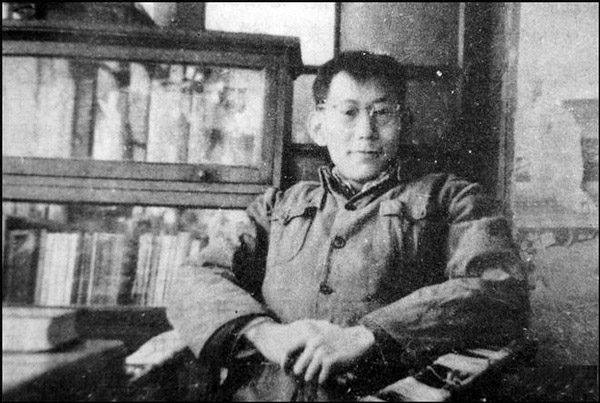
出身:一个被打成「右派」的工程师家庭:遇罗克1942年5月1日出生于北京,祖籍山东。父亲遇崇基早年留学日本,毕业于早稻田大学土木工程系,回国后任工程师,曾在水利电力部门工作;母亲王秋琳(个别资料写作王秋林,本站从多数来源作王秋琳)也曾留学日本,1950年代初与人合办北京理研铁工厂并任厂长,公私合营后仍任厂长,并曾任北京市工商联委员、全国妇女代表大会代表。按当时的阶级划分,这个家庭被定为资本家出身。1957年反右运动中,父母双双被打成右派分子,职务被撤销,父亲被送劳动教养。遇罗克是家中长子,下面有妹妹遇罗锦、弟弟遇罗文和遇罗勉。在「地、富、反、坏、右」五类家庭出身被统称「黑五类」、其子女被蔑称为「狗崽子」的年代,这个出身标签从此决定了兄妹四人升学、入团、参军和就业的上限——也埋下了《出身论》的全部问题意识:一个人能不能因为父亲的身份,一辈子低人一等。Origins: A family branded “Rightist”: Yu Luoke was born on May 1, 1942, in Beijing; his ancestral home was in Shandong. His father, Yu Chongji, had studied in Japan, graduating in civil engineering from Waseda University, and worked as an engineer in the water and power sector. His mother, Wang Qiulin (some materials write the name Wang Qiulin with a different final character; this site follows the majority of sources), had also studied in Japan, co-founded and managed Beijing's Liyan Ironworks in the early 1950s, remained a factory manager after joint state-private ownership, and served as a member of the Beijing Federation of Industry and Commerce and a delegate to the National Women's Congress. Under the class classifications of the day, the family was registered as of capitalist origin. In the Anti-Rightist Campaign of 1957, both parents were branded Rightists, stripped of their posts, and the father was sent to re-education through labor. Yu Luoke was the eldest child, followed by his sister Yu Luojin and his brothers Yu Luowen and Yu Luomian. In an era when the children of the “five black categories” — landlords, rich peasants, counter-revolutionaries, bad elements and Rightists — were collectively despised as “whelps,” that label capped everything the four siblings could ever hope for in schooling, Youth League membership, the army and employment. It also planted the whole question of “On Family Background”: may a person, because of his father's status, be held beneath others for life?
求学受阻:考得上,进不去:遇罗克自幼品学兼优,1954年考入北京市第二十五中学,是新中国第一批戴上红领巾的少先队员之一。但家庭出身先封死了他的路:申请加入共青团多年不获批准;高中毕业后参加高考,成绩达标却不被录取。关于次数,来源有出入:维基百科等概述性资料作三次,陶洛诵、刘心武等较具体的回忆文章只确指1960年与1962年两次,均称理由是「政审不合格」「政治条件不够录取标准」,本站并列记录、不取一舍一(详见文末核实说明)。1961年春节后,他到北京大兴县红星公社农场落户务农,其间写了不少诗文,投稿大多因「作者出身有问题」被退回。1964年回城后,他做过代课教师等多种临时工,后被分配到北京人民机器厂当学徒工。需要记清的是时间顺序:不是先有了《出身论》才受歧视,而是先有了十几年因出身被拒于大学、报刊和体面工作之外的生活,文章只是这段生活的总账。Barred from study: Good enough to pass, never allowed in: Yu Luoke excelled at school from childhood. He entered Beijing No. 25 Middle School in 1954 and was among the first Young Pioneers of the new China. But family origin closed his road first: his applications to join the Communist Youth League went unapproved for years, and after graduating from high school he sat the university entrance examinations and, though his scores qualified, was not admitted. The sources differ on how many times: summary accounts such as Wikipedia say three attempts, while more specific memoirs by Tao Luosong and Liu Xinwu document two, in 1960 and 1962, both rejected on grounds of failed political vetting — this site records both versions without discarding either (see the verification notes). After the Spring Festival of 1961 he settled at the Red Star Commune farm in Daxing County outside Beijing, wrote poetry and prose there, and saw most submissions returned because “the author has a background problem.” Back in the city in 1964, he worked as a substitute teacher and at other temporary jobs before being assigned as an apprentice to the Beijing People's Machinery Factory. The sequence matters: it was not that discrimination followed the essay. First came more than a decade of being shut out of universities, journals and decent work because of his origin; the essay was the summing-up of that life.
1966年2月:第一篇公开发表的异议:遇罗克并非到文革才开口。1966年2月13日,他在上海《文汇报》发表《和机械唯物论进行斗争的时候到了》,公开对姚文元批判新编历史剧《海瑞罢官》的论证方式提出异议。此时他二十三岁,是个连大学门都没进过的学徒工,却已经在用对方的逻辑拆对方的台——这一写法后来成为《出身论》的标志:不引一句「异端」文献,通篇只用毛泽东著作、中央文件和公开报道作论据,让批判者无法用「反毛泽东思想」封口。半年后文革爆发,红卫兵运动兴起,血统论对联贴满北京的大街小巷,出身不好的青年在「辩论」对联的名义下被侮辱、殴打,有的被逼自杀;1966年8月底至9月初,北京大兴县更发生成批打死「四类分子」及其家属的惨案,《出身论》中「残酷的『连根拔』」一句,遇罗文后来指出,指的正是大兴事件。遇罗克的回应,是在1966年下半年把酝酿已久的文章写成定稿。February 1966: A first published dissent: Yu Luoke did not wait for the Cultural Revolution to speak. On February 13, 1966, he published “The Time Has Come to Struggle Against Mechanical Materialism” in Shanghai's Wenhui Daily, openly questioning the reasoning of Yao Wenyuan's attack on the play Hai Rui Dismissed from Office. He was twenty-three, an apprentice who had never been allowed through a university gate, yet he was already dismantling an opponent's platform with the opponent's own logic — the signature method of “On Family Background”: not one citation from any “heretical” source, only Mao's works, central documents and published reports, so that critics could not silence him as “anti-Mao.” Six months later the Cultural Revolution broke out, the Red Guard movement rose, the bloodline couplet was pasted across Beijing, and youths of bad origin were insulted and beaten in staged “debates” over it; some were driven to suicide. In late August and early September 1966, “four-category elements” and their families were beaten to death in batches in Daxing County outside Beijing — the “cruel uprooting by the roots” of the essay, as Yu Luowen later pointed out, referred precisely to Daxing. Yu's answer, in the second half of 1966, was to bring the essay he had long been preparing to its final draft.
《出身论》的结构:三个大问题:《出身论》原文(本站据中文马克思主义文库所收《中学文革报》创刊号原载文本核对)开篇即称「家庭出身问题是长期以来严重的社会问题」,随后自述「分三个问题来阐述」:一、社会影响和家庭影响问题;二、重在表现问题;三、受害问题。「重在表现」一题下又分三个小问:出身和成分完全不同、出身和表现关系甚小、出身好坏和保险与否毫无关系。全文的论证起点,是对那副对联的拆解:对联的错误,在于认为家庭影响超过社会影响;实践得出的结论恰好相反——「社会影响远远超过了家庭影响,家庭影响服从社会影响」。孩子从懂事起进学校、读报纸、受集体教育,在校时间比在家时间更长;即使家庭影响本身,也不能机械地以「老子如何」判定:英雄的父母教育方法简单生硬,效果也会适得其反;父母「不好」,家庭影响未必就坏。出身只是家庭影响的一个参考因素,而不是判决书。The essay's structure: Three large questions: The original text of “On Family Background” — checked by this site against the inaugural-issue text preserved in the Chinese Marxist Library — opens with the flat statement that “the question of family background has long been a serious social question,” and then announces that it will argue through three questions: first, social influence versus family influence; second, the question of stressing actual performance; third, the question of who the real victims are. Under the second heading come three sub-questions: origin and class status are entirely different things; origin and performance have very little to do with each other; and a good or bad origin has nothing to do with whether a person is politically reliable. The argument begins by taking apart the famous couplet: its error, Yu wrote, lay in supposing that family influence outweighs social influence, whereas practice proved the opposite — “social influence far exceeds family influence, and family influence is subordinate to social influence.” From the moment a child understands speech he enters school, reads newspapers, and is educated collectively, spending more time at school than at home; and even family influence cannot be read off mechanically from “what the father was”: heroic parents with crude methods can produce the opposite effect, and “bad” parents do not necessarily exert a bad influence. Origin, in short, is one reference point for judging family influence — not a verdict.
核心论点二:重在表现,只看本人:《出身论》最锋利的部分,是把「成分」与「出身」彻底分开。成分讲的是本人:恩格斯本人是资本家,却背叛本阶级成了工人阶级领袖,所以对本人可以讲「有成分论,不唯成分论,重在政治表现」。出身讲的是老子:老子的成分是儿子的出身,把对本人的公式套到子女头上,是「不看对象」、张冠李戴。他接着拆穿「既看出身,也看表现」的折衷论:出身是死的,翻档案两秒钟就看完;表现是活的,要看一辈子——两样并看,结果必然滑向只看出身、不看表现。出身不好表现好,成绩是不是可以抹杀?出身好表现不好,缺点是不是可以掩饰?他给出的唯一标准是表现本身,并写下全文流传最广的一句:「任何通过个人努力所达不到的权利,我们一概不承认。」至于「出身不好的人不保险」的说法,他反问:近几年提拔的当权派出身一般都很好,他们保险了吗?马克思、列宁、毛泽东本人出身都不好——问题的关键不在出身,在思想改造。The core argument, II: Judge the person, not the parent: The sharpest cut in “On Family Background” is its complete separation of class status from family origin. Status concerns the person himself: Engels was himself a capitalist, yet he betrayed his class and became a leader of the working class — so for the person himself one may speak of “taking status into account, but not status alone; stress actual performance.” Origin concerns the father: the father's status is the son's origin, and applying a formula meant for the person to his children is, Yu wrote, a case of “not looking at who is being talked about” — a label pasted on the wrong head. He then dismantled the compromise formula “look at both origin and performance”: origin is dead and can be read from a file in two seconds; performance is alive and takes a lifetime to observe — weigh the two together and the scale slides inevitably toward origin alone. If origin is bad and performance good, may the achievement be erased? If origin is good and performance bad, may the faults be covered up? The only standard he admitted was performance itself, in the essay's most quoted sentence: “Any right that cannot be attained through one's own effort, we do not recognize at all.” As for the claim that those of bad origin are “unreliable,” he asked in return: the cadres promoted in recent years were mostly of good origin — were they reliable? Marx, Lenin and Mao were all of non-proletarian origin themselves. The key, he concluded, lay not in origin but in the remolding of one's thought.
核心论点三:谁是受害者:第三个大问题「受害问题」,是全文的证据部分。遇罗克逐项列举出身歧视在当时的实际形状:大学招生几乎不招黑五类子女,重要科系更不用说;学校里出身不好的少先队干部被成批改选;工厂提升行政干部几乎无一例外是出身好的,有的厂规定出身不好的师傅不许带徒工、不许操作精密机床;农村孩子升初中要经教师、贫协、大队长「三结合」推荐,没人肯为出身不好的少年背书;连街道求职登记表上都印着出身一栏。他写道:「『出身压死人』这句话一点也不假!」并把这套做法与种姓制度并列:如果这样发展下去,与美国的黑人、印度的首陀罗有什么区别?针对「歧视正是对他们的考验」的说法,他回敬:「收起你的考验吧!」——先把人估计得和其家长差不多、注定要复辟,又要求人家经受超人的考验,估计与要求自相矛盾。这一部分使《出身论》不只是一篇论文,而是一份关于出身歧视的调查报告。The core argument, III: Who are the victims: The third large question, “the question of victimhood,” is the essay's evidentiary core. Yu Luoke catalogued what origin discrimination actually looked like around him: universities admitted almost no children of the black categories, let alone into sensitive faculties; Young Pioneer officers of bad origin were removed in batches at school; factory promotions to administrative posts went almost without exception to those of good origin, and some factories barred masters of bad origin from taking apprentices or operating precision machines; in the countryside, a child's promotion to junior middle school required joint recommendation by teacher, poor-peasants' association and brigade leader, and no one would vouch for a child of bad origin; even the street offices' job-seeker registration forms carried a column for origin. “'Origin crushes people to death' — the saying is not false at all!” he wrote, and set the system beside caste: if this went on, what difference was there from Black Americans or India's Sudras? To the argument that discrimination was “a test” imposed for the victims' own good, he answered: “Put away your test!” — to estimate people as identical to their parents, fated to restore the old order, and in the same breath demand that they pass a superhuman test, was to contradict oneself. This section is what makes “On Family Background” not only an essay but a field report on origin discrimination.
油印与创刊:从街头小字报到铅印报:文章的传播史本身就是一部地下出版史。原稿1966年7月写成,9月再稿,11月定稿(创刊号文末自注)。1966年秋,遇罗克与弟弟遇罗文(北京六十五中高中生)、遇罗勉等把全文油印散发、张贴;据遇罗文回忆,1966年10月,兄弟二人还在广州油印数百份到处散发——这一细节出自中国民间档案馆专题所引家属叙述,本站按家属说法记录。北京四中学生牟志京在校内读到贴出的《出身论》后找到遇罗文,与王建复等商量办一份铅印小报扩大传播。1967年1月18日,《中学文革报》在解放军1201印刷厂付印创刊,假借「首都中学生革命造反司令部宣传部主办」名义发行,创刊号用三个版面全文刊出《出身论》,署名「北京家庭出身问题研究小组」——遇罗克自始至终没有署真名。创刊号印数,各来源作二万份(刘心武文)至三万份(牟志京回忆及多种研究)不等,一上市即被抢购一空;2月又以专刊形式重印《出身论》,印数一说六万余份。From mimeograph to print: The birth of a newspaper: The essay's circulation history is itself a history of underground publishing. The draft was written in July 1966, revised in September and finalized in November, as the colophon of the inaugural issue itself records. In the autumn of 1966 Yu Luoke, with his brother Yu Luowen (then a senior student at Beijing No. 65 Middle School) and Yu Luomian, mimeographed and posted the text; Yu Luowen recalled that in October 1966 the brothers also mimeographed several hundred copies in Guangzhou for distribution — a detail this site records as the family's account, drawn from the China Unofficial Archives feature. Mou Zhijing, a student at Beijing No. 4 Middle School who had read the posted essay, sought out Yu Luowen, and with Wang Jianfu and others planned a letterpress newspaper to spread it further. On January 18, 1967, the High School Cultural Revolution News was printed at PLA Factory 1201 and issued under the borrowed masthead of the “Propaganda Department of the Capital Middle-School Revolutionary Rebel Command”; its inaugural issue carried the full text across three pages, signed only “Beijing Family Background Research Group” — Yu never signed his real name. Print runs for that issue are given variously as 20,000 copies (Liu Xinwu) to 30,000 (Mou Zhijing's recollection and several studies); it sold out on the street, and in February the essay was reprinted as a special issue, in one account over 60,000 copies.
六期报纸:一个学徒工写了近四分之三:《中学文革报》此后陆续出版:第二至六期分别于1967年2月2日、2月10日、2月21日、3月6日、4月1日刊行(期数与日期据该报研究资料汇总),连同创刊号共六期正刊,另有《出身论》专刊和创刊号影印本,全部印数合计一说三十余万份。每期头版头条都是遇罗克以「家庭出身问题研究小组」名义围绕出身问题写的文章,他还用其他笔名发表多篇;据遇罗文统计,七期报纸(此说将专刊计入)中遇罗克一人所写文字占近四分之三。报纸在街头出售时买者排队、还要限量,全国各地的读者来信多到邮递员无法投递,遇罗文每天蹬三轮车去邮局取信;许多外地城市有人整份抄写、翻印。在小报交易市场上,一份原价二分钱的《中学文革报》被炒到二元。期期售罄的报纸说明一件事:《出身论》说出的,是几千万出身不好的青年和他们的家庭憋了十几年的话。Six issues: An apprentice writes three-quarters of a paper: The High School Cultural Revolution News continued: issues two through six appeared on February 2, February 10, February 21, March 6 and April 1, 1967 (dates as compiled in research on the paper) — six regular issues including the inaugural, plus the “On Family Background” special and a facsimile reprint of issue one, with total printings put by one tally at over 300,000 copies. Every issue's front-page lead was a Yu Luoke essay on the origin question under the Research Group signature, and he published more under other pen names; by Yu Luowen's count, of seven issues (counting the special), nearly three-quarters of the text was Yu Luoke's alone. On the street, buyers queued and copies had to be rationed; readers' letters from across China arrived in such volume that postmen could not deliver them and Yu Luowen tricycled to the post office daily to fetch them; in many cities the paper was copied out whole or reprinted. On the collectors' market a copy of the two-cent paper later changed hands for two yuan. A newspaper that sold out every issue was proof of one thing: “On Family Background” had said aloud what tens of millions of young people of bad origin, and their families, had held in for over a decade.
点名批判:从「大毒草」到停刊:报纸的命运在1967年春天逆转。据牟志京等亲历者回忆,报纸出到第三期(1967年2月),已传来中央文革小组成员关锋称《出身论》为「毒草」的消息;1967年4月14日,中央文革小组成员戚本禹公开宣布《出身论》是「大毒草」——这一日期为维基百科、独立中文笔会《中国当代文字狱囚徒编年录》等多种来源一致记载。戚本禹晚年受访时自述,当年是按毛泽东关于对联问题的一次谈话精神,由他出面作公开讲话批评遇罗克的观点(此说出自戚氏自述,本站按自述记录)。《中学文革报》在压力下被迫停刊。至于江青个人是否点名批判《出身论》,本站在本轮核查中未找到可独立印证的一手出处:能确证的是中央文革小组作为机构转向批判、关锋与戚本禹先后出面定性;个别通俗叙述把批判径直归于江青个人,本站不采,理由见核实说明。停刊之后,遇罗克并未停笔:被捕时他正在写一篇讨论工资问题的《工资论》。Named and condemned: “A big poisonous weed”: The paper's fortune turned in the spring of 1967. By the recollection of participants such as Mou Zhijing, by the third issue (February 1967) word had already come that Guan Feng of the Central Cultural Revolution Group was calling “On Family Background” a “poisonous weed”; on April 14, 1967, Qi Benyu, another member of the group, publicly declared the essay “a big poisonous weed” — a date on which Wikipedia, the Independent Chinese PEN Center's chronicle of literary prisoners, and other sources agree. In old age Qi stated in an interview that he had made the public criticism at the time in the spirit of a remark by Mao on the couplet question — a claim this site records as Qi's own later account. Under the pressure the News was forced to cease publication. As to whether Jiang Qing personally named and attacked the essay, this site's checking found no independently corroborable primary source: what is firmly documented is the Central Cultural Revolution Group's institutional turn against it, with Guan Feng and then Qi Benyu delivering the verdicts; popular retellings that assign the attack to Jiang Qing personally are not adopted here, for reasons given in the verification notes. Closure did not stop Yu's pen: when he was arrested, he was at work on an essay on wages.
被捕:1968年1月5日:1968年1月5日,遇罗克被抄家逮捕——日期为各来源一致记载。此后两年多,他经历了八十多次预审(此数出自家属及笔会编年录的记述)。扣在他头上的罪名包括「大造反革命舆论」「思想反动透顶」「组织反革命小集团」,以及最致命的一条「阴谋暗杀」。据遇罗文回忆及部分研究文章,案件材料中有所谓手榴弹情节:1967年夏《中学文革报》成员在长春遇发放武器,遇罗克带回一枚手榴弹,后因害怕被查,设法处理——这段情节的细节各叙述互有出入,最终判决书中与此相关的表述是「阴谋暗杀伟大领袖毛主席」,而对《出身论》只字未提;遇罗文对此愤而指出,当局连处死他的真实理由都不敢写进判决。本站对此节的处置是:手榴弹情节按家属与研究者说法记录、标注未见原始案卷核实;判决罪名的构成,按遇罗文所见判决书转述。又据遇罗文回忆,遇罗克一度被判十五年徒刑,他拒绝在判决书上签字,其后忽然改判死刑——此说同样来自家属回忆,无第二独立来源,本站并列存录。Arrest: January 5, 1968: On January 5, 1968, Yu Luoke's home was searched and he was arrested — a date on which all sources agree. Over the following two years he underwent more than eighty pretrial interrogations, by the count preserved in family accounts and the PEN chronicle. The charges heaped on him included “massively manufacturing counter-revolutionary opinion,” “reactionary thought to the core,” “organizing a counter-revolutionary clique,” and, most lethally, “plotting assassination.” According to Yu Luowen's recollection and some research articles, the case file contained a hand-grenade episode: in the summer of 1967, members of the newspaper group in Changchun came upon weapons being handed out, Yu brought a grenade back to Beijing, and later, fearing discovery, tried to dispose of it. The details vary between tellings; in the final judgment, the related wording was “plotting to assassinate the great leader Chairman Mao,” while “On Family Background” was not mentioned at all — a fact Yu Luowen cites with fury: the authorities did not dare write the real reason for killing his brother into the judgment. This site records the grenade episode as the family's and researchers' account, flagged as unverified against any original case file, and the composition of the charges as relayed by Yu Luowen from the judgment he saw. Yu Luowen also recalled that Yu was at one stage sentenced to fifteen years, refused to sign the judgment, and then was abruptly resentenced to death — again a family account with no second independent source, preserved here as such.
一打三反:1970年1月的那张名单:1970年初,「一打三反」运动开始:1月31日,中共中央发出《关于打击反革命破坏活动的指示》。据王锐等研究者对北京市公检法军管会档案通知的考订,1970年1月9日的一份《通知》已列出二十名内定处决者,遇罗克名列第十;1月27日北京举行公判大会,名单上其余十九人(包括王佩英、马正秀等)被处决,唯独遇罗克一人因故被暂时「刀下留人」。这段经过不见于1980年代的公开报道,是近年的档案研究才逐步拼出的,本站按研究者考订记录、并标注其性质。2月11日又一份《通知》拟定另一批死刑名单。无论细节如何,有一点各来源一致:遇罗克的死,不是一次审判的失误,而是运动中成批处决名单上的一环——先有名单,后有判决,判决书编号(70)刑字第30号,只是名单的法律外衣。One Strike, Three Antis: The January 1970 list: In early 1970 the “One Strike, Three Antis” campaign opened: on January 31 the Party Center issued its “Instruction on Cracking Down on Counter-Revolutionary Sabotage Activities.” According to researcher Wang Rui's study of the notification documents of Beijing's military control commission for public security, prosecution and courts, a notification dated January 9, 1970 had already listed twenty persons designated for execution, with Yu Luoke tenth. At a mass sentencing rally on January 27, the other nineteen on that list — including Wang Peiying and Ma Zhengxiu — were executed, while Yu alone was, for some reason, temporarily spared at the block. This sequence appears in none of the public reporting of the 1980s; it has been pieced together only by recent archival research, and this site records it as such. A further notification on February 11 drew up another batch of death sentences. Whatever the details, all sources agree on one point: Yu's death was no miscarriage of a single trial, but one link in a chain of batch executions — the list came first and the judgment after, and judgment number (1970) Xing Zi No. 30 was merely the list wearing legal dress.
1970年3月5日:工人体育场:1970年3月5日,北京工人体育场召开十万人公判大会。遇罗克被押上主席台,据胡平等纪念文章记述,他与同批犯人手铐脚镣,脖子上卡着让人发不出声的铁环,法警用力往下按他的头,他死命往上挣,坚决不低头。军代表当场宣读中国人民解放军北京市公检法军事管制委员会判决,以「现行反革命」罪判处死刑、立即执行,随后枪决。他生于1942年5月,死时未满二十八岁,通说作年二十七岁。同日处决人数,各来源口径不一,本站并列如下:流传最广的说法(维基百科、胡平纪念文等)作遇罗克与另十九人、共二十人被宣判处决;王锐据2月11日《通知》名单考订,内定名单连遇罗克共二十人,但3月5日实际处决为十九人,其中一人被暂缓,暂缓者为谁尚无定论;另有纪念文章作十八人。三种口径指向同一事实:他不是一个人死的,而是「一打三反」成批杀人中的一个。本站正文取「同批共约二十人被宣判死刑」这一最稳妥的表述,细目存疑见核实说明。March 5, 1970: The Workers' Stadium: On March 5, 1970, a mass sentencing rally of 100,000 people was held in the Beijing Workers' Stadium. Yu Luoke was dragged onto the rostrum; commemorative accounts such as Hu Ping's describe him and the others in handcuffs and shackles, iron rings clamped on their necks to stop them crying out, court police forcing his head down while he strained upward with all his strength, refusing to bow. A military representative read out the judgment of the Military Control Commission of the Beijing public security, procuratorial and court organs: death, as a “current counter-revolutionary,” to be carried out immediately. He was shot. Born in May 1942, he was not yet twenty-eight — conventionally given as twenty-seven. Sources differ on how many were executed that day, and this site sets the versions side by side: the most widely circulated account (Wikipedia, Hu Ping's memorial essay and others) gives Yu plus nineteen others — twenty sentenced and executed in all; Wang Rui's study of the February 11 notification concludes that the designated list, Yu included, numbered twenty, but that nineteen were actually executed on March 5, one person's execution being deferred, and whose, is unknown; some memorial pieces give eighteen others. All three versions point to the same fact: he did not die alone, but as one of the batch killings of “One Strike, Three Antis.” The text above therefore uses the most cautious formulation — about twenty people in the same batch were sentenced to death — with the dispute detailed in the verification notes.
家属受难:一个家庭的连坐:遇罗克被捕后,灾祸落到全家头上。母亲王秋琳被单位揪去办「学习班」,不许回家;妹妹遇罗锦因日记被抄出「反动言论」,在哥哥被处决前已被送往茶淀农场劳动教养;弟弟遇罗文1968年被少年管教一年,解除后插队,后来又因受牵连以「窝藏」罪名被判五年徒刑(此案后获平反);家里一度只剩下最小的弟弟遇罗勉独自支撑。遇罗克的尸体始终没有交还家属,下落至今无公开交代;他的日记和全家上千张照片被抄走,大部分未归还,一说只归还了十几张照片。父母在悲痛中开始了长达十年的申诉。陶洛诵等亲历者的记述里有一个细节:家人此后多年路过工人体育场,都要把头扭过去——那是宣判遇罗克死刑的地方。连坐不是《出身论》里抽象的「出身问题」,它就是这个家庭此后十几年的日常生活。The family pays: Collective punishment at home: After Yu Luoke's arrest, calamity fell on the whole family. His mother, Wang Qiulin, was seized by her work unit for a “study class” and forbidden to go home. His sister, Yu Luojin, whose diary was found to contain “reactionary remarks,” was sent to the Chadian Farm for re-education through labor even before her brother's execution. His brother Yu Luowen spent a year in juvenile detention in 1968, was sent down to the countryside on release, and was later sentenced to five years for “harboring” in a case arising from implication — a conviction later overturned. For a time only the youngest brother, Yu Luomian, was left holding the household together. Yu Luoke's body was never returned to the family, and no public accounting of its whereabouts has ever been given; his diaries and more than a thousand family photographs were confiscated, most never returned — by one account only a dozen or so photographs came back. In their grief, the parents began appeals that lasted a decade. A detail preserved by contemporaries such as Tao Luosong: for years afterward, family members turned their heads away when passing the Workers' Stadium — the place where Yu Luoke had been sentenced to death. Collective punishment was not the abstract “origin question” of the essay; it was this family's daily life for more than a decade.
平反第一步:1979年11月21日的再审判决:1978年全国开始平反冤假错案,遇家父母多方申诉;民间一侧先动了起来:1979年10月7日,北京民主墙民刊《四五论坛》第13期推出专辑,呼吁为遇罗克昭雪。1979年11月21日,北京市中级人民法院作出刑事再审判决:一、撤销中国人民解放军北京市公检法军事管制委员会(70)刑字第30号判决书;二、宣告遇罗克无罪。本站须在此纠正一个流传甚广的误写(包括本站任务初稿的口误):作出再审判决的是北京市中级人民法院,不是北京市高级人民法院——再审判决书的转述见于独立中文笔会编年录、郝建纪念长文及王晨通讯原文,各来源一致。当局对遇罗克的尸体无任何交代;经济上的交代,各来源作法不一:维基百科等作付给父母二千元人民币抚恤金,张郎郎的纪念文章则作只归还了他被关押两年多的学徒工工资、未授予烈士称号。本站两说并列。法律上的平反至此完成,但全国多数人当时还不知道遇罗克是谁。Rehabilitation, step one: The retrial judgment of November 21, 1979: In 1978, as the nationwide reversal of unjust cases began, Yu's parents appealed through every channel they could find, and the unofficial world moved first: on October 7, 1979, issue 13 of the Democracy Wall journal April Fifth Forum carried a special feature calling for Yu Luoke's vindication. On November 21, 1979, the Beijing Intermediate People's Court delivered its criminal retrial judgment: first, annulling judgment (1970) Xing Zi No. 30 of the Military Control Commission of the Beijing public security, procuratorial and court organs; second, declaring Yu Luoke innocent. This site corrects here a widely repeated error: the retrial court was the Beijing Intermediate People's Court, not the Beijing Higher People's Court — the judgment's text, as relayed in the PEN chronicle, in Hao Jian's long memorial essay and in Wang Chen's reportage, is consistent on this point. The authorities gave no accounting for Yu's body. On the material settlement the sources diverge: Wikipedia and others state that the parents were paid 2,000 yuan as a solatium, while Zhang Langlang's memorial essay records that what was returned was only the apprentice wages for his two-plus years in custody, and that no martyr's title was conferred. This site records both. Legal rehabilitation was now complete — but most of China still did not know who Yu Luoke was.
平反第二步:1980年夏天的全国报道:让遇罗克之名传遍全国的,是平反之后第二年的公开报道。1980年6月,《新时期》第4期发表苏双碧长篇报道《逆风恶浪中的雄鹰——遇罗克》,《北京日报》全文转载;1980年7月21日、22日,《光明日报》连载王晨、张天来长篇通讯《划破夜幕的陨星——记思想解放的先驱遇罗克》(个别后出文章把该文发表时间写作1980年9月21日,与原文转载标注的7月21—22日不符,本站以原文标注为准,异说见核实说明)。两篇报道把他称作「逆风恶浪中的雄鹰」「思想解放的先驱」「划破夜幕的陨星」,全国报刊纷纷转载跟进。一个被处决十年的学徒工,在官方媒体上被重新介绍给全国读者——平反的第二步,是把名字还给公共记忆。同年,遇罗锦在《当代》1980年第3期发表处女作小说《一个冬天的童话》,以文学的方式把哥哥和那个冬天写给全国读者,引起广泛反响。Rehabilitation, step two: The summer of 1980: What carried Yu Luoke's name across China came the year after the judgment, in open reporting. In June 1980, issue 4 of New Era published Su Shuangbi's long reportage “An Eagle Against Headwinds and Evil Waves — Yu Luoke,” reprinted in full by the Beijing Daily. On July 21 and 22, 1980, Guangming Daily serialized Wang Chen and Zhang Tianlai's long dispatch “A Meteor That Pierced the Night — Yu Luoke, Pioneer of the Liberation of Thought” (some later articles date it September 21, 1980, which conflicts with the original reprint's own dating of July 21–22; this site follows the original, and flags the variant). The two reports called him “an eagle against headwinds and evil waves,” “a pioneer of ideological liberation,” “a meteor that pierced the night,” and papers nationwide reprinted and followed up. An apprentice executed ten years earlier was reintroduced, in the official press itself, to the whole country — rehabilitation's second step was to return his name to public memory. The same year, Yu Luojin published her first fiction, the novella “A Winter's Fairy Tale,” in issue 3 of Dangdai (1980), writing her brother, and that winter, into literature for a national readership, to wide acclaim.
家人此后:保存、写作与流亡:平反之后,把遇罗克留给历史的,主要是他的弟妹。遇罗勉是家中唯一长期留在国内的:他后来成为电子工程师,曾获北京市劳动模范称号,与遇罗文合作研制水力切割机(水刀);当年《中学文革报》的传播有他一份,哥哥的文稿与记忆的保存也有他一份,2009年宋庄铜像落成时他亲临现场(见下段)。遇罗文先与弟弟办研究所、做发明,后把一生精力逐渐投向家族史与文革史的写作:自传体长篇《我家》(中国社会科学出版社出版,据遇罗锦条目所引资料,该书出版后即被禁销);他还写下《文革时期北京大兴县大屠杀调查》,追查《出身论》中「连根拔」所指的那场惨案——哥哥文章里一句话,弟弟用调查去兑现。2001年遇罗文移居美国;2025年,据维基百科所引资料,他在美国成立遇罗克纪念基金会(此条为单一来源,本站标注待进一步核实)。姐姐遇罗锦1986年移居德国,据亲友记述,此后没有再回中国,因为这块土地勾起她太多痛苦回忆。The family afterward: Preservation, writing, exile: After rehabilitation, it was chiefly Yu's siblings who delivered him to history. Yu Luomian was the one who remained in China for the long term: he became an electronics engineer, was named a Beijing model worker, and jointly developed a water-jet cutter with Yu Luowen. He had helped circulate the News as a boy; he likewise helped preserve his brother's manuscripts and memory, and was present in person when the Songzhuang bust was unveiled in 2009 (below). Yu Luowen first ran research institutes and worked on inventions with his brother, then gave his life increasingly to writing family history and Cultural Revolution history: the autobiographical volume My Family (published by China Social Sciences Press and, by the account cited in Yu Luojin's encyclopedia entry, banned from sale soon after publication); he also wrote an investigation of the 1966 Daxing County massacre in Beijing — pursuing, with documentary fieldwork, the very atrocity his brother's essay had named in one phrase, “uprooting by the roots.” Yu Luowen emigrated to the United States in 2001; in 2025, according to material cited by Wikipedia, he founded a Yu Luoke Memorial Foundation in the United States (a single-source item, flagged here for further verification). Their sister Yu Luojin emigrated to Germany in 1986 and, by friends' accounts, never returned to China, because the land held too many painful memories for her.
遗作、纪念与受压的纪念:遇罗克身后文字的整理,以1999年为节点:徐晓、丁东、徐友渔搜集编辑的《遇罗克:遗作与回忆》由中国文联出版公司出版(全书417页,ISBN 9787505932777,据Google Books书目信息),收录遗作、日记片段与各界评论;我们今天能读到的少量日记摘录,是当年《光明日报》记者、编辑从北京市中级人民法院尘封的案卷里一字一字抄录下来的。诗人北岛写有《宣告》《结局或开始》等诗纪念他。2009年清明前后,通州宋庄美术馆立起遇罗克铜质半身像(作者郑敏,高约二米),发起人包括徐晓等,揭幕式只有约二十人参加,低调举行;像座上刻着《出身论》的名句(刻字措辞与原文略有出入,作「不是凭自己努力得到的权利,我们一概不承认」一类表述)。与此同时,纪念并不总是被允许:据学者崔卫平的记述,2010年3月遇罗克罹难四十周年前后,北京有人筹备纪念活动,有人被劝告不要参加纪念会——平反三十多年后,这个名字在官方话语里仍被当作需要小心的对象。本站只记录有出处的纪念与受阻事实,不夸大、不缩小。Posthumous works, commemoration — and commemoration under pressure: The ordering of Yu's legacy reached a milestone in 1999, when Yu Luoke: Posthumous Works and Recollections, collected and edited by Xu Xiao, Ding Dong and Xu Youyu, was published by the China Federation of Literary and Art Circles Publishing Company (417 pages, ISBN 9787505932777, per the Google Books catalogue record), gathering his surviving writings, diary fragments and commentary. The few diary excerpts readable today survive because Guangming Daily journalists and editors in 1980 copied them out character by character from his sealed case file at the Beijing Intermediate Court. The poet Bei Dao wrote “Declaration” and “End or Beginning” in his memory. Around Qingming 2009, a bronze bust of Yu Luoke by sculptor Zheng Min, about two meters high, was erected at the Songzhuang Art Museum in Tongzhou; Xu Xiao was among its initiators, and the unveiling was a low-key gathering of only about twenty people. The plinth carries the essay's famous line in a slightly altered wording (“Rights not obtained through one's own effort, we do not recognize”). At the same time, commemoration has not always been permitted: scholar Cui Weiping recorded that around the fortieth anniversary of Yu's death in March 2010, commemorative events were being prepared in Beijing and people were advised not to attend them — more than thirty years after rehabilitation, the name was still treated in official discourse as one requiring caution. This site records only sourced instances of commemoration and obstruction, neither inflating nor minimizing them.
影响与评价:与林昭并列的名字:在文革思想抗争的谱系里,遇罗克的名字通常与林昭并列:一个1968年在上海被处决,一个1970年在北京被处决,都是以文字获罪、至死不认罪的年轻人;研究者又常把张志新(1975年被处决)、陈尔晋等与他们合称。人权组织「中国人权」(Human Rights in China)的文革异端思想研究把《出身论》称为文革中传播最广、影响最久的异端文本,并径直称之为「文革中写出的第一份人权宣言」;胡平指出,一个「黑五类」出身的青年靠一支笔造成震动全国的效应,这在中共建政以来没有先例。徐友渔在《遇罗克:遗作与回忆》序言中把思想者分作两类:一类提出精深抽象的理论,一类在指鹿为马的时代说出常识般的真理——遇罗克属于后者,他捍卫的是常识,付出的是生命。本站同时要如实记下评价的另一面:遇罗克的批判是在毛泽东思想的话语内部展开的,他援引领袖著作、呼吁执行「党的阶级路线」,并未提出多党制或宪政主张;后世把他读作人权先驱,是就其论证的实际指向——人的权利不能由出身决定——而言。这一限定不减损他的勇气,反而说明:在1966年的中国,连用当权者自己的语言说一句「人人生而平等」,都要付一条命。Legacy and judgment: A name paired with Lin Zhao's: In the genealogy of intellectual resistance during the Cultural Revolution, Yu Luoke's name is most often paired with Lin Zhao's: she was executed in Shanghai in 1968, he in Beijing in 1970, both condemned for words, both refusing to the end to confess. Researchers frequently group them further with Zhang Zhixin (executed 1975) and Chen Erjin. Human Rights in China's study of heterodox thought in the Cultural Revolution calls “On Family Background” the most widely circulated and enduringly influential heterodox text of the period, and calls it outright “the first declaration on human rights written during the Cultural Revolution.” Hu Ping has observed that for a youth of “black-category” origin to shake the whole country with a pen was without precedent since 1949. Xu Youyu, in his preface to the 1999 volume, divided thinkers into two kinds: those who advance intricate, abstract theories, and those who, in an age of calling a deer a horse, speak truths of common sense. Yu belonged to the second kind; what he defended was common sense, and the price was his life. This site also records, honestly, the other side of the evaluation: Yu's critique unfolded inside the discourse of Mao Zedong Thought. He cited the leader's works and appealed for enforcement of “the Party's class line”; he proposed neither a multi-party system nor constitutional government. Posterity reads him as a human-rights pioneer by the actual direction of his argument — that a person's rights cannot be settled by birth. The qualification diminishes nothing of his courage; it measures the China of 1966, where to say “all are born equal” even in the rulers' own language cost a life.
档案回响:四五、民主墙与今天:遇罗克死后第六年,1976年四五运动中,北京群众在天安门广场悼念周恩来的同时,也有人沉痛悼念遇罗克并要求为其平反(此节见陶洛诵记述,本站按亲历者记述记录);本站抗争记录的下一条即四五运动,两条记录在这里接上头。1978至1979年民主墙运动兴起,《四五论坛》《今天》《沃土》等民刊率先发文纪念他,民刊的纪念在先、官方的平反在后——这个顺序本身,就是1979年政治空气的注脚。此后每逢3月5日和清明,海内外都有自发的纪念文字与活动;2025年,中国民间档案馆(China Unofficial Archives)推出遇罗克与《出身论》专题,把创刊号、家属照片与研究文章汇集在线上档案中。在中国大陆,《出身论》原文至今可在中文马克思主义文库等境外站点读到,平反报道也未被删除,但围绕他的公共纪念始终低调而脆弱:一尊铜像要放在民营美术馆里,一次纪念会会被劝告取消。本站这一条目存在的理由正在于此:判决书写得下的,只有罪名;写不下的这一部分,由档案来补。Archival echoes: April Fifth, Democracy Wall, and today: Six years after Yu's death, during the April Fifth Movement of 1976, Beijing crowds mourning Zhou Enlai in Tiananmen Square also mourned Yu Luoke and demanded his rehabilitation, by the account of contemporary Tao Luosong, recorded here as a participant's testimony. The next entry in this site's Resistance records is the April Fifth Movement, and the two records join at exactly this point. When the Democracy Wall movement rose in 1978–79, unofficial journals — April Fifth Forum, Today, Meadow — were the first to publish memorials to him; the journals' commemoration preceded the state's rehabilitation, a sequence that is itself a footnote to the political air of 1979. Since then, every March 5 and every Qingming has brought spontaneous memorial writings and gatherings in China and abroad; in 2025 the China Unofficial Archives published a Yu Luoke feature online, assembling the inaugural issue, family photographs and research essays. In mainland China the original text of “On Family Background” can still be read on overseas-hosted libraries and the rehabilitation reporting has not been erased, yet public commemoration around him remains low-key and fragile: a bust must stand in a private art museum, and a memorial meeting can be advised out of existence. That fragility is why this entry exists. A judgment can hold only charges; what it cannot hold, the archive must supply.
档案来源:本条目依据的材料包括:一手文本——《出身论》原文(原载《中学文革报》创刊号,1967年1月18日,本站据中文马克思主义文库与维基文库所收文本互核结构与引文)及遇罗克死刑判决书的公开转述(维基文库);平反文件——北京市中级人民法院1979年11月21日刑事再审判决的公开转述(独立中文笔会《中国当代文字狱囚徒编年录》、郝建《在良知的死刑台上》);1980年公开报道——苏双碧《逆风恶浪中的雄鹰》(《新时期》1980年第4期)、王晨、张天来《划破夜幕的陨星》(《光明日报》1980年7月21—22日连载);家属与亲历者记述——遇罗文《我家》及《哥哥遇罗克的故事》、《文革时期北京大兴县大屠杀调查》,遇罗锦回忆,刘心武《遇罗克一家的故事》,陶洛诵《我和遇罗克的一家》,牟志京关于《中学文革报》的回忆;研究与评论——胡平《不朽的遇罗克》《伟大的殉道者》,徐晓、丁东、徐友渔编《遇罗克:遗作与回忆》(中国文联出版公司,1999年),王锐关于遇罗克被害内情与1970年处决名单的考订,何清涟、崔卫平的相关记述,中国民间档案馆(China Unofficial Archives)2025年遇罗克专题,以及「中国人权」(HRIC)关于文革异端思想的研究。本站所引姓名、日期与引文,均经上述来源交叉核对后写入;不一致之处在下一段逐项标明。Sources for this entry: Materials behind this entry include, first, primary texts: the original “On Family Background” as carried in the inaugural issue of the High School Cultural Revolution News on January 18, 1967 — its structure and quotations checked between the texts preserved by the Chinese Marxist Library and by Wikisource — and the publicly relayed contents of Yu Luoke's death judgment on Wikisource. Second, the rehabilitation document: the Beijing Intermediate People's Court's criminal retrial judgment of November 21, 1979, as relayed in the Independent Chinese PEN Center's chronicle of literary prisoners and in Hao Jian's memorial essay “On the Scaffold of Conscience.” Third, the public reporting of 1980: Su Shuangbi's “An Eagle Against Headwinds and Evil Waves” (New Era, no. 4, 1980) and Wang Chen and Zhang Tianlai's “A Meteor That Pierced the Night” (Guangming Daily, serialized July 21–22, 1980). Fourth, family and participant accounts: Yu Luowen's My Family, his “The Story of My Brother Yu Luoke” and his investigation of the Daxing County massacre; Yu Luojin's recollections; Liu Xinwu's “The Story of Yu Luoke's Family”; Tao Luosong's “The Yu Luoke Family and I”; and Mou Zhijing's account of the newspaper. Fifth, research and commentary: Hu Ping's essays; Xu Xiao, Ding Dong and Xu Youyu, eds., Yu Luoke: Posthumous Works and Recollections (1999); Wang Rui's archival studies of the killing and of the 1970 execution lists; writings by He Qinglian and Cui Weiping; the China Unofficial Archives' 2025 Yu Luoke feature; and Human Rights in China's study of heterodox thought in the Cultural Revolution. Names, dates and quotations were written only after cross-checking across these sources; disagreements are itemized in the notes that follow.
核实说明:本条目有九处需要读者注意。第一,高考次数:概述性资料作三次,陶洛诵、刘心武的具体记述确指1960年、1962年两次,本站并列,不强行统一。第二,《中学文革报》创刊号印数作二万至三万份不等,专刊印数作六万余份,均按「一说」处理;期数以六期正刊为准,「七期」之说系将专刊计入。第三,江青个人点名批判《出身论》一说,本轮核查未找到可独立印证的出处,正文只写中央文革小组及关锋、戚本禹的定性(戚本禹定性日期1967年4月14日,多来源一致)。第四,1970年3月5日同批处决人数有二十人(通说,含遇罗克)、十九人(王锐据名单考订的实际执行数)、十八人(个别纪念文)三说,正文并列,未取一为定论。第五,平反法院为北京市中级人民法院(1979年11月21日再审宣告无罪),坊间「北京市高级人民法院」之说系误写,本站已纠正;1980年的官方长篇报道构成公开层面的第二步平反。第六,《划破夜幕的陨星》发表时间,原文转载标注为1980年7月21—22日《光明日报》连载,个别后出文章写作1980年9月21日,本站从原文标注。第七,平反后经济交代有「抚恤金二千元」与「归还学徒工工资」两说,并列存录;遇罗克尸体下落、日记与照片归还情况,仅有家属方面记述,无官方公开说明。第八,初判十五年、手榴弹情节与1970年1月「刀下留人」的经过,分别来自家属回忆与近年档案研究,本站已逐项标注来源性质,未写作定案事实;「谁下令杀害遇罗克」的各种传闻(包括涉及具体领导人的说法)无可靠证据,本站一概不录。第九,母亲姓名多数来源作王秋琳,个别作王秋林,本站从多数;遇罗克纪念基金会2025年在美成立一条目前为单一来源,标注待核。以上各点之外的事实,均有至少两个来源相互印证后方写入正文。Verification notes: Nine points in this entry require the reader's attention. First, the entrance examinations: summary sources give three attempts, while the specific accounts of Tao Luosong and Liu Xinwu document two, in 1960 and 1962; both are recorded without forced reconciliation. Second, the inaugural issue's print run is given variously as 20,000 to 30,000 copies, and the special issue's as over 60,000; all are treated as reported figures. The paper is counted here as six regular issues; the “seven issues” version counts the special. Third, the claim that Jiang Qing personally named and attacked “On Family Background” found no independently corroborable source in this round of checking; the text records only the Central Cultural Revolution Group's institutional verdicts delivered by Guan Feng and Qi Benyu (Qi's dating to April 14, 1967 is consistent across sources). Fourth, the number executed in Yu's batch on March 5, 1970 is given as twenty including Yu (the common account), nineteen actually executed (Wang Rui's list-based finding), or eighteen (some memorial pieces); all three are presented and none is adopted as settled. Fifth, the rehabilitating court was the Beijing Intermediate People's Court (retrial judgment of November 21, 1979, declaring Yu innocent); the “Beijing Higher People's Court” version circulating in some retellings is an error, corrected here; the official long-form reporting of 1980 constitutes the second, public step of rehabilitation. Sixth, “A Meteor That Pierced the Night” is dated by its original reprint to Guangming Daily, July 21–22, 1980; a minority of later articles give September 21, 1980, and this site follows the original. Seventh, the material settlement after rehabilitation is recorded in two versions — a 2,000-yuan solatium, and the return of apprentice wages — and both are preserved; the whereabouts of Yu's body and the return of diaries and photographs rest on family accounts alone, with no official public statement. Eighth, the initial fifteen-year sentence, the hand-grenade episode, and the January 1970 reprieve at the block derive respectively from family recollection and recent archival research; each is labeled by source type in the text and none is written as settled fact. Rumors about who ordered Yu's killing, including versions naming specific leaders, lack reliable evidence and are not recorded at all. Ninth, the mother's name appears in most sources as Wang Qiulin and in a few as Wang Qiulin in a variant character; this site follows the majority. The 2025 founding of a Yu Luoke Memorial Foundation in the United States currently rests on a single source and is marked for further verification. Every other fact in this entry was written only after corroboration by at least two sources.