
周恩来の親族:版図なき一家
本シリーズも第三家に至って、構造のまったく異なる対象に行き当たる。周恩来と鄧穎超には実子がいなかった。彼の背後に息子も娘も孫もいない。いるのは一円の親族――胞弟・周恩寿の六人の子どもたち、堂房の侄たち、そして烈士の残した養女である。彼らの行き先が答えるのは、より狭く、より鋭い問いである。特権の所有者本人が家規を立て、地位を資産に換えることを拒んだとき、その家族には最後に何が残るのか。公開記録の答えは、体制内の中層の職務一式、庇護の完全な失敗一回、そして商業版図ゼロである。
目次
- I. 西花庁の子どもたち
- II. 周恩寿一家:兄の署名で獄に送られた弟
- III. 堂房の侄たち:一人は教師、一人は少将
- IV. 養女・孫維世:庇護が最初に失効した場所
- V. 版図の総括:地位には天井があり、資産はゼロ
- 結語
- 材料の欠落(如実に記載)
- 出典一覧
(ついでに一言。周恩来夫妻にはもう一人、烈士・李碩勲の子である義子・李鵬がいた。その家族の材料は本シリーズの李鵬篇として別に成篇しており、本篇では展開しない。)
I. 西花庁の子どもたち
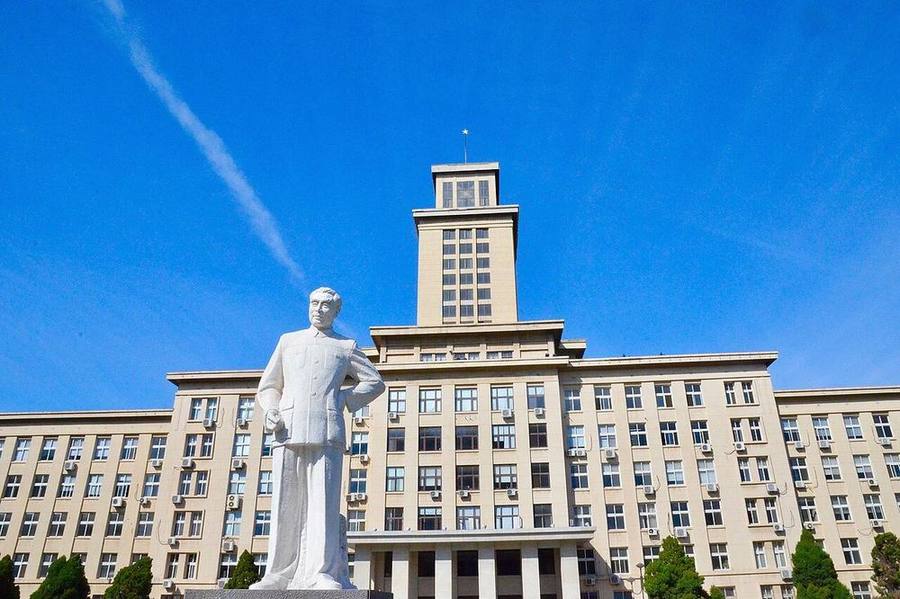
1949年以降、周恩寿一家は住居に困窮し、周恩来夫妻は侄・姪のうち年長の三人――周秉徳、周秉鈞、周秉宜――を中南海の西花庁に引き取り、十余年にわたって共に暮らした。年少の秉華、秉和、秉建もしばしば西花庁に出入りした。公表された記述によれば、周恩来は親族のために「十条家規」を立てた。その核心は、仕事を放り出して訪ねて来るな、北京に来たら国務院の招待所に泊まれ、食堂では列に並んで食事を買え、劇場には切符を買って入れ、接待や贈り物を一切するな、公用車を使うな、いかなる場面でも総理との関係を口にするな、私利を求めず特別扱いを受けるな、というものである。(出典1)これが家族全体を理解する鍵である。この家では「特権」は最初から規律の形で存在した――中南海の中で育つ子ども時代と「してはならない」の全集はあったが、市場へ通じる扉だけはなかった。
II. 周恩寿一家:兄の署名で獄に送られた弟
周恩寿(1904–1985、字は同宇)は周恩来の三弟である。1947年、天津で地下工作に従事していたところを国民党に逮捕され、半年間拘禁された後に釈放された。新中国成立後は鉄鋼システムの課長や購買輸送総站の副站長などの職を歴任し、1959年に内務部の専員(コミッショナー)に転じ、1963年、重い胃潰瘍のため早期退職した――総理の実の弟の官歴の終点は、一つの部の「専員」だった。退職後、六人の子どもたちの多くがまだ在学中だったため、周恩来は秘書に指示し、自分の給与から毎月200元を割いて、姪に弟の家まで届けさせて援助した。(出典2、3)
1968年、外務部の紅衛兵は、いわゆる「陰謀夕食会」に関する資料を江青を通じて周恩来の机上に送った。「特務活動」の疑いをかけられた者の中に周恩寿がいた。後に周秉徳が発表した記述(親族の回想で、執行者である傅崇碧と王金嶺の伝述を引く)によれば、公安部長・謝富治がファイルを届け、周恩来は自筆で「直ちに周同宇を逮捕せよ」と指示を書き込み、その脇に妻・王士琴と六人の子どもの名と住所(北京市機織衛胡同27号)を注記した。傅崇碧は周恩来に面と向かって、紅衛兵に好き勝手させるより衛戍区が「拘留」の形で本人を保護すべきだと進言したが、周恩来は筆を取って「拘留」を「拘捕(逮捕)」に書き換えた。周恩寿はこの時から七年間獄中にあり、1975年に釈放され、1979年5月に中央組織部の再審査で名誉回復を受けた。1980年から第五・六期全国政協委員を務め、1985年5月13日に北京で死去した。(出典2、3)動機については、親族の記述は「保護」と読み、海外の論評は「大義のために親族を犠牲にした」と読む。公式文書は公表されておらず、本篇は両説を併存させ、結論を下さない。この期間の妻・王士琴の境遇については、その指示に名が記されたこと以外、公的に検証可能な記録はない。
六人の子どもたちの行き先こそ、この家族の最も完全な断面である。
周秉徳(1937年生まれ)、長女。ハルビンに生まれ、1949年に十二歳で西花庁に入り、伯父・伯母と十余年暮らした。夫妻に最も近い若い親族である。1955年に師範学校を卒業して小学校教師となり、後に北京首飾輸出入公司、北京市外貿局、北京国際信託投資公司の職を歴任した。1988年に国務院僑務弁公室傘下の『華声報』の副編集長(副社長級)となり、1994年に中国新聞社へ移って副社長を務めた。1998年から第九・十期全国政協委員を務め、2008年に退職した。夫の沈人驊は沈鈞儒の長孫である。2016年に北京大鸞翔宇慈善基金会を設立し、創設理事長となった。『私の伯父・周恩来』などの回想作品の著者であり、本篇の事実の多くは彼女の記述に由来する。その親族回想としての性質は出典リストに注記してある。(出典3、4)
周秉鈞、長男。1961年に高校を卒業した際、周恩来は自ら彼を説得して大学受験を諦めさせ、入隊させた。彼は空軍に入って戦闘機パイロットとなり、最前線の飛行場で二十年近く戦闘当直に就いた。(出典7)除隊後の職務については、海外の編纂物一つのみに記録がある(広州軍区空軍参謀長助理、広州市保税区管理委員会副主任)だけで、公式の出典は見つかっておらず、当該主張は「未検証」と標記する。
周秉宜、次女。若い頃に西花庁で暮らした。成人後の公開記録は極めて薄く、弟・周秉華の事績を記した文章を書いたことだけが知られており、検証可能な職務の記録はない。
周秉華(1946年生まれ)、次男。1965年に入隊し、1969年に復員して、北京印刷一廠の組版工場の工員に配属された。その後、中国中央ラジオ・テレビ大学で学び、北京市印刷物資公司の党総支部書記、北京市新聞出版局の幹部とその市場管理処の責任者を歴任した。2000年には甜水園図書卸売市場に派遣され、業界監督管理弁公室の主任となり、「ポルノ一掃・違法出版物取締り」の仕事で全国先進労働者などの栄誉を受け、2006年に退職した。(出典6)六人きょうだいの中で最も草の根の履歴であり、工場の工員から処級幹部まで、全過程が公開され、曖昧なところが一つもない。
周秉和、末子。その名は周恩来夫妻が付けた。幼年期の写真と西花庁での家族の記述を除けば、検証可能な公開の職業記録はない。
周秉建(1952年生まれ)、末女。1968年に父が逮捕された後、彼女は内モンゴルのシリンゴル盟への下放に志願した。牧区から伯父に宛てて書いた手紙――冤罪である「内モンゴル人民党」事件が一般の牧民にまで拡大していることを伝えたもの――は、周恩来がこの件を知った最も早い経路の一つだった(鄧穎超は後に彼女に、伯父は当時「少しばかり抑える効果しか発揮できなかった」と語った)。1970年に彼女は入隊したが、周恩来が自ら働きかけ、軍に彼女を内モンゴルへ戻すよう求めた。彼女は草原に定住して長年働き、内モンゴル社会科学院モンゴル文学研究所の副所長、内モンゴル自治区人民代表大会常務委員会民族委員会の副主任を歴任した。1994年に北京に戻り、財政部で財政監督司の財政監察専員、幹部教育センター副主任、離退休幹部局の巡視員を務め、第十一・十二・十三期全国政協委員を歴任した。(出典5)
III. 堂房の侄たち:一人は教師、一人は少将
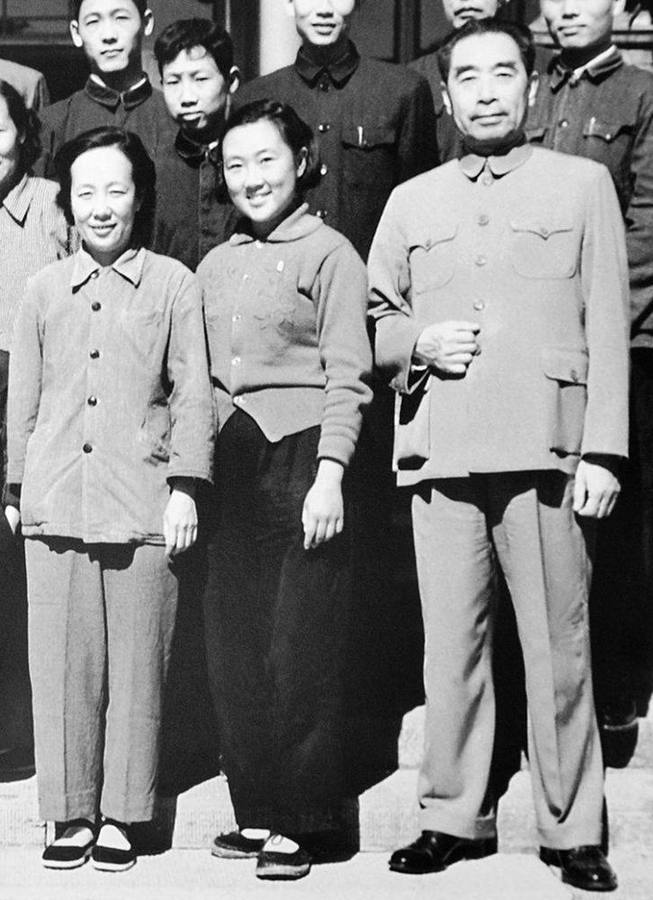
周栄慶は二弟・周恩溥の一人息子である。周恩溥は1940年代に死去し、周栄慶は後に河南省焦作で暮らし、数年前に死去した。それ以外に職務の公開記録はない。(出典4)
周爾輝は周恩来の大叔父・周貽奎の孫――堂房の侄(堂侄)である。1950年に祖母と共に北京へ連れて来られ、普通の中学(北京市第二十六中学)に寄宿生として通い、北京鋼鉄学院で学び、後に教えた。在学中も勤務中も、総理との関係を同級生や同僚に明かすことは決してなかった。1961年、夫婦が一緒に暮らせるよう配慮するため、当局は彼の妻・孫桂雲を淮安から北京の教職へ異動させた。周恩来がこれを知ると、特別扱いをしたとして関係機関を批判し、孫桂雲の戸籍は受け付けられなかった。その後まもなく夫婦は淮安へ戻され、周爾輝は淮安中学で教師となり、孫桂雲は文化館の図書室で働いた。(出典1、9)その後、周爾輝には職務の公開記録はなく、伯父を偲ぶ文章だけが残っている。
周爾均(1932–2026)は堂房の侄で、周恩霔の子である。1949年に入隊し、総後勤部システムで秘書、研究、編集の職を歴任した。1988年に人民解放軍の階級制度が復活した際、最初の一団として少将の階級を授与され、後に国防大学政治部の副主任、次いで主任(正軍職級のポスト)を務め、同大学の党常務委員、国会議員に相当する第八期全国人民代表大会の代表も務めた。2026年2月27日に北京で死去した。中国新聞社のインタビューによれば、周恩来はすべての親族の勤務配置について基層へ下ろすよう求めており、周爾均が司令部機関に留まったのは唯一の「例外」だった――周恩来はそれを知っても介入せず、「機会があれば、もっと基層で鍛えてもらおう」とだけ言い残し、その場にいた者たちに本人には伝えるなと頼んだという。(出典8)彼の妻・鄧在軍は中国中央テレビの編集・演出者であり、文化大革命の間、「総理の親族」という身分のために名指しで吊し上げ闘争会に立たされた。(出典8)
IV. 養女・孫維世:庇護が最初に失効した場所
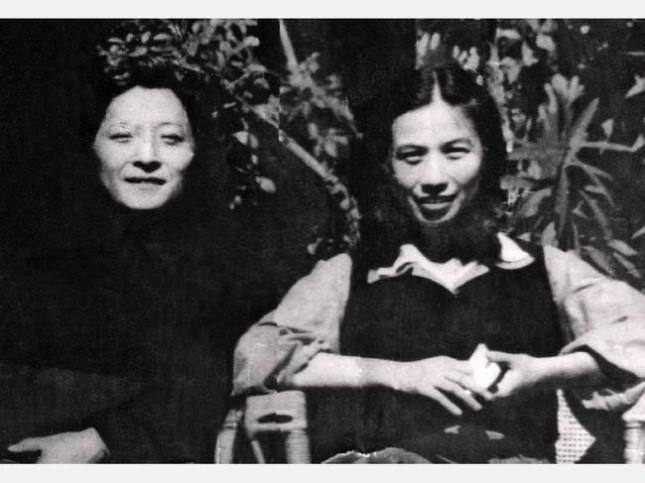
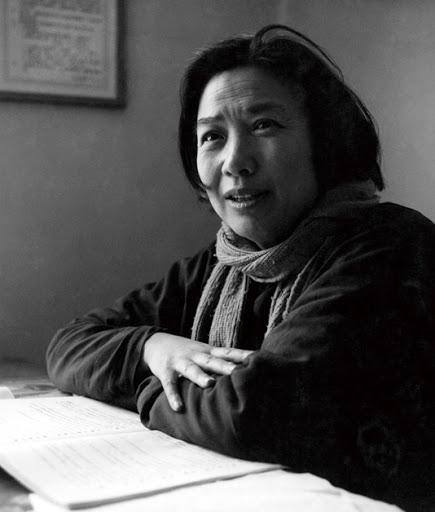
孫維世(1920–1968、生年は1921年ともされる)は烈士・孫炳文の娘である。1927年に父が死んだ後、周恩来と鄧穎超に育てられた。1939年、腕の治療のためモスクワへ向かう周恩来に同行し、その後ソ連で演劇を学び、帰国後は新中国第一世代の舞台演出家の一人となった。1956年には欧陽予倩と共に中央実験話劇院を創設し、副院長兼総演出を務めた。夫は俳優の金山である。
文化大革命が始まった後、周恩来は危害を避けさせるつもりで孫維世夫妻を大慶へ送った。1967年12月、金山は江青の命令で逮捕され、家宅捜索を受けた。1968年3月1日、孫維世は「ソ連修正主義のスパイ」の罪名で逮捕され、北京市公安局の看守所に収容され、「死ぬまで拘禁する対象」(関死対象)に指定された。1968年10月14日、彼女は47歳で獄死した。遺体は速やかに火葬され、妹の孫新世が遺骨を求めに行くと、「反革命分子の遺骨は残さない」という答えが返ってきた。1977年6月9日、文化部芸術局は八宝山革命公墓で彼女の遺影を安置する式典を行った。後に公表された記述の多くは、この事件の推進力を江青と葉群の私怨に帰している。複数の回想記述は、逮捕の書類に最終的に署名したのが周恩来だったことにも触れている――周恩寿事件と同じ形態である。本節については公式文書は公表されておらず、本篇では回想記述の層に属するものとして標記する。(出典10)
細部の版がどうであれ、硬い事実は変わらない。総理の養女は、彼が総理である間に、首都の看守所で死んだ。彼が事前に彼女を大慶へ送った手配は、彼女を救わなかった。ここに本篇の誠実な主軸がある――この家族の庇護は、その最も中心にいる成員さえ守り切れなかった。
V. 版図の総括:地位には天井があり、資産はゼロ
- 軍:頂点は一人。周爾均少将、国防大学政治部主任(軍級ポスト)が家族最高の職位を占め、周秉鈞は二十年近く最前線の戦闘機パイロットだった。
- 政府と国家機関:周秉徳の中国新聞社副社長と周秉建の財政部巡視員は、いずれも司局級である。周秉華は処級で止まった。政協という一本の線が二世代を貫いている。周恩寿(第五・六期)、周秉徳(第九・十期)、周秉建(第十一期から十三期)が相次いで全国政協委員を務めた。
- 基層と専門職:中学校教師(周爾輝)、印刷工場の工員から身を起こした業界管理者(周秉華)、牧区と民族工作の幹部(周秉建の経歴の前半)、小学校教師から身を起こした報道幹部(周秉徳の経歴の前半)。
- ビジネス:ゼロ。弟の一家の六人の子どもと堂房の侄たちの中で、会社を設立したり、株式を保有したり、上場企業で職に就いたりした公開記録を持つ者は一人もいない。1980年代の周秉徳の北京国際信託投資公司での職務は、国家の信託機関への任用記録であって、私的資産ではない。彼女が晩年に設立した慈善基金会は公益組織であり、ビジネスではない。本シリーズで検証済みのICIJの二回分のオフショア名簿にも、ブルームバーグの元老子弟統計にも、周恩来の親族は現れない――結論は「未発見」であって、「未調査」ではない。
- 第三代:公開記録はほぼ空白である。個別の名が家族項目の注記に現れるだけで、検証可能な職業やビジネスの記録はない。
結語
毛家は特権とビジネスが分離した家であり、劉家は特権が中断された後に体制内の地位だけが回復した家である。周家は第三の形態である。特権はその源で、所有者本人の家規によって封じられ、市場に入ることを決して許されなかった。その封じ込めの代償と限界もまた記録に書かれている――1968年の同じ年に、総理の弟は総理自筆の指示で獄に入り、総理の養女は首都の看守所で死に、侄の妻は「総理の親族」という身分のゆえに引き出されて闘争会に立たされた。この家族の庇護は決して完全ではなかった。それは育つ道筋を守ったが、運動がやって来たときに命を守ることはできなかった。
この家族が残したのは貸借対照表ではなく、名前のリストである。少将一人、司局級と処級の幹部数人、中学校教師一人、戦闘機パイロット一人、不自然な死を遂げた演出家一人――そして、ビジネスの見出しの下には「記録が見当たらない」と書かれた空白の欄。後続の篇では、家規の拘束がなく、市場の時代に出会ったとき、特権が何に育ったかを、読者は目にすることになる。
出典一覧
- Huai'an CPPCC, Weiren Jiafeng ("Family Traditions of a Great Man"): http://zx.huaian.gov.cn/col/14066_664815/art/17407584/1741138151558p2hI6hrR.html — the full text of the "ten family rules"; Zhou Bingde, Zhou Bingjun and Zhou Bingyi living at the West Flower Hall; the Zhou Erhui couple's return to Huai'an (Huai'an Middle School teacher; cultural-center library); Zhou Enshou's discussions about leveling the family graves. CPPCC Net, Qinqing Jiashi li de Zhou Enlai ("Zhou Enlai in Family Affections and Household Matters"): http://www.rmzxw.com.cn/c/2017-04-06/1464846.shtml — accounts of the six children and affections at the West Flower Hall; the talk with Zhou Binghua before he enlisted (official media / cultural-and-historical materials).
- Entry "Zhou Enshou," Wikipedia (biographical compilation): https://zh.wikipedia.org/wiki/%E5%91%A8%E6%81%A9%E5%AF%BF — 1904–1985; arrested in Tianjin; the iron and steel system and commissioner of the Ministry of Internal Affairs (1959); early retirement on health grounds in 1963; arrested and imprisoned in 1967/68; rehabilitated in May 1979; member of the Fifth and Sixth CPPCC National Committees; died May 13, 1985; the names of his wife Wang Shiqin and their six adult children.
- Zhou Bingde, "Bofu Zhou Enlai he Fuqin Zhou Enshou" ("My Uncle Zhou Enlai and My Father Zhou Enshou"), People.cn Zhou Enlai channel: http://zhouenlai.people.cn/n1/2018/0905/c409117-30274487.html ; same text reprinted by China Education News network: https://www.edu.cn/bei_jing_758/20060323/t20060323_107755.shtml — a relative's memoir (an account by the daughter of the person concerned, incorporating the recollections relayed by the executors Fu Chongbi and Wang Jinling): Zhou Enlai's monthly subsidy of RMB 200 after 1963; the 1968 handwritten instruction "Arrest Zhou Tongyu immediately" and the naming of family members; the change from "detention" to "arrest"; seven years in prison and the words spoken on release.
- Institute of Party History and Literature of the CPC Central Committee, "Zai Zhou Enlai Shenbian Shenghuo 15 Nian de Zhinü Zhou Bingde" ("The Niece Zhou Bingde, Who Lived Beside Zhou Enlai for 15 Years"): https://www.dswxyjy.org.cn/n/2015/0727/c222139-27365899.html — the three brothers; Zhou Enpu's only son dying in Jiaozuo, Henan; Zhou Enshou's three sons and three daughters; Zhou Bingde's 15 years at the West Flower Hall. For Zhou Bingde's biography see also: Zhonghua Hezuo Shibao (China Co-operative Times), August 23, 2011, http://www.zh-hz.cn/dz/html/2011-08/23/content_51581.htm (the jewelry import-export company, the foreign trade bureau, Beijing International Trust and Investment Corporation, deputy head of Huasheng Bao, deputy director of China News Service, CPPCC member); Peking Union Medical College Hospital report, https://www.pumch.cn/detail/42120.html (deputy director of China News Service; member of the Ninth and Tenth CPPCC National Committees; founding chairwoman of the Daluang Xiangyu Charity Foundation; her writings); Hongchuan Net interview, https://hongchuan.org.cn/interview/generals/3466.html (born in Harbin in 1937; entered the West Flower Hall at twelve in 1949; primary-school teacher in 1955; married Shen Renhua in 1964; transferred to China News Service in 1994; founded the foundation in 2016).
- Entry "Zhou Bingjian," Wikipedia: https://zh.wikipedia.org/wiki/%E5%91%A8%E7%A7%89%E5%BB%BA — b. 1952; sent down to Inner Mongolia in 1968; the "Inner Mongolian People's Party" letter; enlisting in 1970 and then being sent back to Inner Mongolia at Zhou Enlai's request; the Mongolian language department of Inner Mongolia University; posts at the Inner Mongolia Academy of Social Sciences and the People's Congress; Ministry of Finance posts from 1994; member of the Eleventh and Twelfth CPPCC National Committees. List of members of the Thirteenth CPPCC National Committee, CPPCC Net: http://www.cppcc.gov.cn/zxww/2020/05/11/ARTI1589179608333237.shtml .
- Entry "Zhou Binghua," Wikipedia: https://zh.wikipedia.org/zh/%E5%91%A8%E7%A7%89%E5%8D%8E — b. 1946; enlisted 1965; demobilized in 1969 to work in the composing workshop of Beijing No. 1 Printing Factory; China Central Radio and TV University; Party branch secretary of the Beijing Printing Materials Company; the Beijing Municipal Press and Publication Bureau and its market management division; director of the industry supervision and management office of the Tianshuiyuan Book Wholesale Market; National Advanced Worker for "Sweep Away Pornography and Strike Down Illegal Publications"; retired 2006.
- "Zhou Bingde Recalls: Eldest Younger Brother Zhou Bingjun Became a Pilot," Sina Tianjin reprint (March 8, 2021): http://tj.sina.cn/news/2021-03-08/detail-ikknscsh9209707.d.html — Zhou Enlai persuading Zhou Bingjun in 1961 to give up the college entrance examination and enlist; Air Force fighter pilot for nearly twenty years (relative's memoir category). His posts after leaving the military (assistant to the chief of staff of the Guangzhou Military Region Air Force; deputy director of the Guangzhou Bonded Zone management committee) are found only in an overseas compilation: https://ban-gfw.com/%E4%B8%AD%E5%85%B1%E5%A4%AA%E5%AD%90%E5%85%9D%E5%91%A8%E6%81%A9%E6%9D%A5%E3%80%81%E6%9D%8E%E9%B9%8F%E5%AE%B6%E6%97%8F/ — a single overseas source; marked "unverified" in the main text.
- Entry "Zhou Erjun," Wikipedia: https://zh.wikipedia.org/wiki/%E5%91%A8%E5%B0%94%E5%9D%87 — 1932–2026; collateral nephew (grandfather Zhou Yikang, father Zhou Enzhu); enlisted 1949; career including director of the General Office and deputy director of the Political Department of the National Defense University. China News Service interview, January 27, 2016, "Zhou Enlai Zhier Zhou Erjun: Sishi Nian Hou, Women Jinian Bobo Shenme?" ("Zhou Enlai's Nephew Zhou Erjun: Forty Years On, What Do We Commemorate in Our Uncle?"): https://www.chinanews.com.cn/m/cul/2016/01-27/7735539.shtml — among the first group of Major Generals in 1988; director of the Political Department of the National Defense University (corps-level post) for seven years in all; the account of relatives' arrangements — "Zhou Erjun was the only exception" — and the Premier's stated position. Obituary (The Paper, as reprinted) Wanwei Reader's Net, February 28, 2026: https://news.creaders.net/china/2026/02/28/2976498.html — died in Beijing on February 27, 2026, aged 93; deputy to the Eighth National People's Congress. On Deng Zaijun being made to stand through struggle sessions during the Cultural Revolution, see Sina, November 19, 2013: https://news.sina.cn/sa/2013-11-19/detail-ikmxzfmk2649833.d.html .
- Southern Medical University, "Jiafeng Gushi: Zhou Enlai — Wo Ziji Meiyou Haizi, Dan Yao Jiaoyu Zhizi Zhinü Zou Ziji Zhe Yi Tiao Lu" ("A Family-Tradition Story: Zhou Enlai — I Have No Children of My Own, but I Must Teach My Nephews and Nieces to Walk Their Own Road"): https://portal.smu.edu.cn/kyy/info/1102/13676.htm — Zhou Erhui brought to Beijing and raised; boarding at Beijing No. 26 Middle School; teaching at the Beijing Iron and Steel Institute; the 1961 transfer affair of his wife and the persuasion by Zhou Enlai and his wife. Huai'an cultural and historical materials, "Zhou Enlai Zongli dui Guxiang de Huainian" ("Premier Zhou Enlai's Longing for His Home Town"): http://www.oldha.net/109/ — the full course of the 1961 transfer affair; the couple's return to Huai'an; Sun Guiyun remaining to work in Huai'an.
- Entry "Sun Weishi," Wikipedia: https://zh.wikipedia.org/wiki/%E5%AD%AB%E7%B6%AD%E4%B8%96 — born November 30, 1920 (also given as 1921); daughter of Sun Bingwen; cared for by Zhou Enlai and Deng Yingchao; vice president and chief director of the Central Experimental Theatre in 1956; died on October 14, 1968, in the detention house of the Beijing Municipal Public Security Bureau; portrait enshrinement ceremony on June 9, 1977. Jiefang Daily / Shanghai Observer, "Dushu | Zhou Enlai Gannü'er Sun Weishi Qusi Yuzhong" ("Reading | Sun Weishi, Zhou Enlai's Goddaughter, Died Wronged in Prison"): https://www.jfdaily.com/news/detail?id=5501 — Jin Shan's arrest in December 1967; Sun Weishi's arrest on March 1, 1968; a "detain-until-death case"; her cruel death on October 14, 1968. Du Gao, "Wangbuliao de Sun Weishi" ("The Unforgettable Sun Weishi," a colleague's memoir): https://nodebe4.github.io/mjlsh/1989-06-04/%E6%9D%9C%E9%AB%98-%E5%BF%98%E4%B8%8D%E4%BA%86%E7%9A%8F%E7%BB%B4%E4%B8%96/ — the course of the March 1, 1968 arrest; the destruction of the remains and the absence of ashes. Ta Kung Pao, "Hongqiang Jiyi zhi San: Zhou Enlai Yangnü Sun Weishi Mingyun Kanke" ("Memories from Behind the Red Wall, Part Three: The Rough Fate of Zhou Enlai's Adopted Daughter Sun Weishi"): https://www.tkww.hk/epaper/view/newsDetail/1372181191465242624.html — accounts attributing the persecution to the driving of Jiang Qing and Ye Qun.
材料の欠落(如実に記載)
- 出典マップ(2026年10月31日)の十六家の中に周恩来の節はない。本篇のすべての事実は個別に検証したものであり、マップの周家の材料は使っていない(マップには存在しない)。
- 王士琴:1968年の指示に名が記されたこと以外、その生平、職務、文化大革命期間中の境遇について、検証可能な公開記録はない。
- 周秉宜:成人後の職務について検証可能な記録はなく、弟・周秉華の事績を記した文章を書いたことだけが知られている。
- 周秉和:名の由来と幼年期の写真を除けば、検証可能な公開の職業記録は一切ない。
- 周栄慶(周恩溥の子):河南省焦作で暮らしていたことと、既に死去していることだけが知られており、生平や職業の公開記録はない。
- 周爾輝:淮安に戻った後の経歴は、淮安中学で教えていたことだけが知られており、それ以降の公開記録はない。周恩来との正確な族親の呼称については、出典によって「侄」(zhier)と「堂侄」(tangzhi)の広狭の違いがあり、本文は広い用法に従って堂房の侄と呼んでいる。
- 周秉鈞:除隊後の職務は海外の編纂物一つのみに基づき、公式または中国本土メディアの報道は見つかっておらず、「未検証」と標記する。その生年(1942年)も同じ出典に由来し、本文では用いていない。
- 孫維世:生年は1920年と1921年の両説があり、本文は両方を示した。「逮捕は周恩来の署名による」という挿話は回想記述の層にのみ現れ、公式文書は公表されておらず、本文にその旨を標記した。死因の細部は記述によって詳しさが異なり、本文は複数の出典が一致する骨格(逮捕の日付、拘禁の場所、死亡の日付、遺骨が保存されなかったこと、1977年の遺影安置)のみを取る。
- 周恩寿の逮捕の年:周秉徳の記述と指示文書は1968年を指すが、ウィキペディア項目のある一節は1967年とする。本文は1968年に従う。投獄の動機についての二つの読み――「保護」説と「大義のために親族を犠牲にした」説――は併存し、決定的な文書はなく、本篇は裁定しない。
- 第三代:周秉華の子・周力の名が家族項目に現れる以外、周家の第三代には検証可能な公開の身分や経歴の記録はない。
お問い合わせ: endccpworld@proton.me